

Planning a trip to Cape Breton? Here’s everything you need to know about visiting the Fortress of Louisbourg : what to see, tips for your visit, and why it’s a must-do in Nova Scotia.
The wind carries the sharp scent of the sea. Boots crunch against the packed earth. Just ahead, a guard in a tri-cornered hat calls out in French, musket resting on his shoulder. At the Fortress of Louisbourg, time folds in on itself.
Standing inside the walls of this massive 18th-century fort, you aren’t just reading about history, you’re living it. Fishermen mend their nets, blacksmiths hammer iron at blazing forges, and the boom of a cannon shakes the air. Life here feels vivid and raw, just as it did centuries ago.
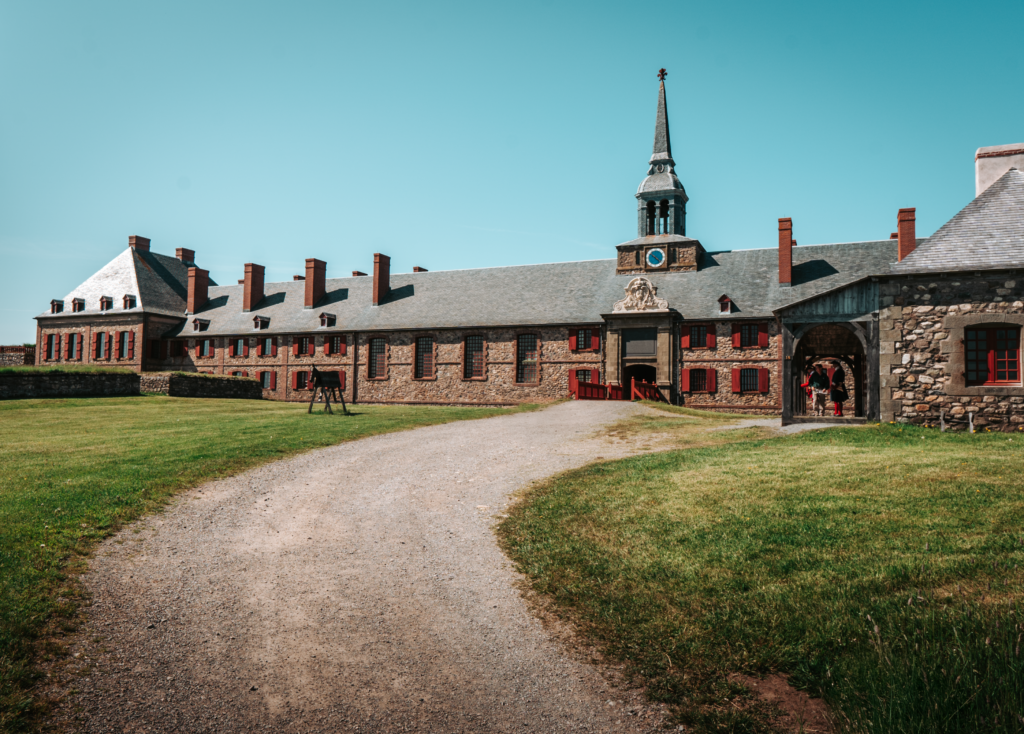
Built by the French in the early 1700s, captured twice by the British, and painstakingly reconstructed starting in the 1960s, the Fortress of Louisbourg is now the largest reconstructed 18th-century fort town in North America. It’s one of those rare places that doesn’t just show you history, it pulls you into it completely.
Pair your Fortress of Louisbourg visit with a full Cabot Trail road trip. Check out my Ultimate Cabot Trail Itinerary to plan your adventure!

What to know before visiting the Fortress of Louisbourg
Where Is the Fortress of Louisbourg and How to Get There
The Fortress of Louisbourg is located on the eastern coast of Cape Breton Island in Nova Scotia, perched right along the Atlantic Ocean where history and salt air mix together. It feels remote today — and honestly, that’s part of its magic — but back in the 18th century, Louisbourg was a bustling, strategic stronghold at the heart of Atlantic trade routes.
Getting to the Fortress of Louisbourg is easier than you might think:
- From Halifax:
If you’re starting from Halifax, plan for about a four-hour drive. You’ll head north along Highway 102 toward Cape Breton, then follow the signs for Sydney and Louisbourg. It’s a scenic drive once you hit the island, perfect for road trip playlists and coastal pit stops. - From the Cabot Trail (Baddeck area):
If you’re already exploring the Cabot Trail, Louisbourg makes a fantastic side trip. From Baddeck, it’s about a 1.5-hour drive across Cape Breton Island to reach the Fortress. It’s an easy day trip if you base yourself in Baddeck or after finishing your Cabot Trail loop, a great way to cap off your adventure with something a little different. - From Sydney:
If you’re staying near Sydney, Louisbourg is just a 40-minute drive away. It’s an easy hop if you’re already exploring the eastern side of the island.
Pro tip // Give yourself plenty of time for the visit — once you’re inside the fortress walls, you won’t want to rush the experience.
The History of the Fortress of Louisbourg
In the early 1700s, France knew the Atlantic coast of North America was a prize worth protecting. They chose a rocky stretch of shoreline on Île Royale (now Cape Breton Island) to build a massive fortified town: the Fortress of Louisbourg.
Construction began in 1713, just after the Treaty of Utrecht forced France to give up much of its territory to Britain. Determined to hold onto its rich fishing grounds and protect the entrance to the St. Lawrence River, France poured resources into building Louisbourg — thick stone walls, sprawling bastions, and enough firepower to guard their ambitions in the New World.
By the 1740s, Louisbourg had become a thriving hub. Ships from France, the West Indies, and New England crowded the harbor.
Soldiers patrolled the walls, merchants sold their goods in open-air markets, and fishermen hauled in cod by the ton.
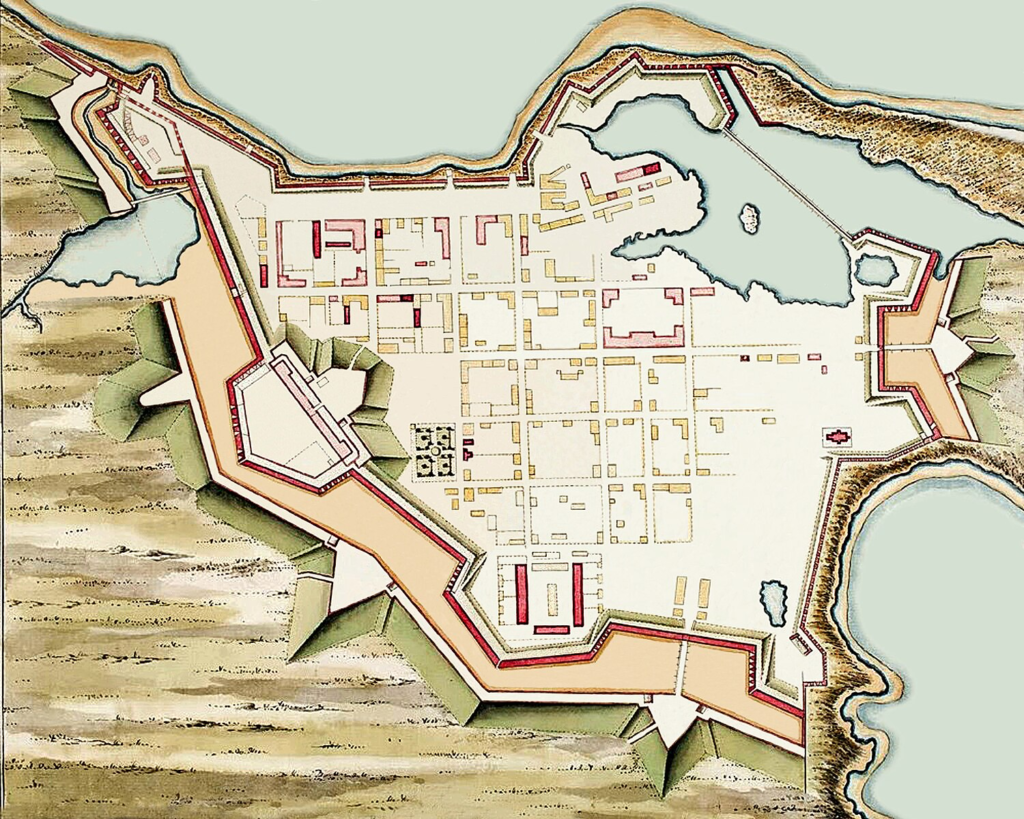
But Louisbourg’s strength didn’t go unnoticed. In 1745, during King George’s War, British colonial forces from New England — with help from the Royal Navy — captured the fortress after a six-week siege. France regained Louisbourg three years later, only to lose it again in 1758, during the Seven Years’ War. But, after the second siege, the British destroyed much of the fortress, leaving it to crumble into the salt air and grass for the next two centuries.
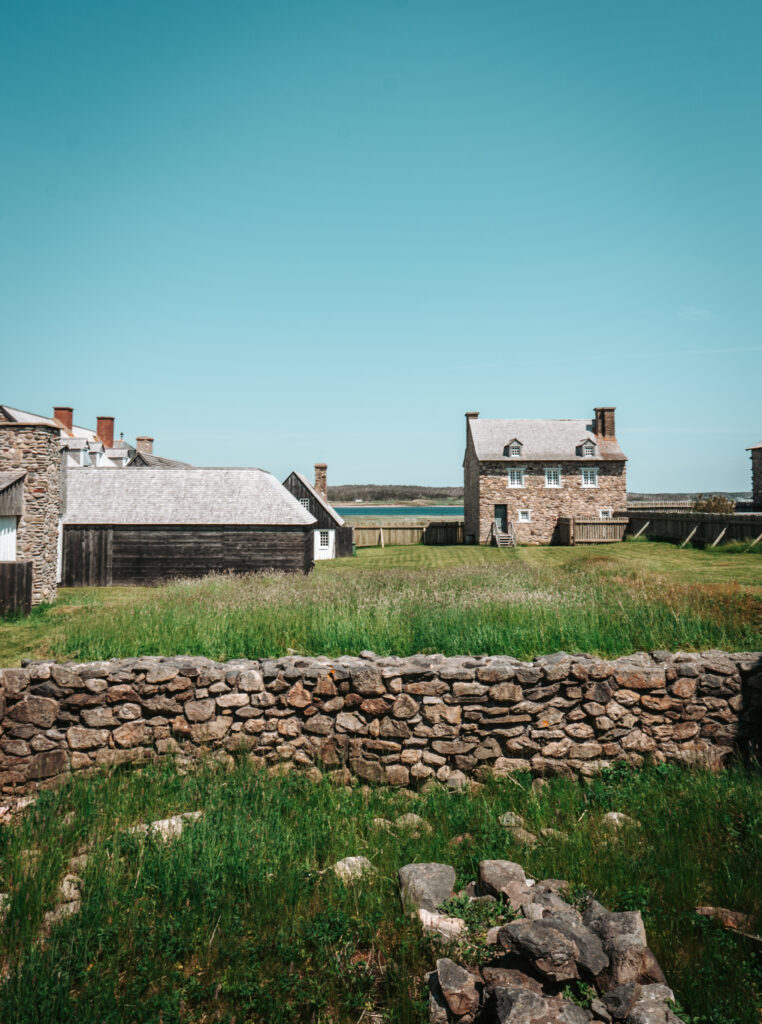
Fast-forward to the 1960s, when historians, archaeologists, and Parks Canada began an extraordinary project: rebuilding a portion of Louisbourg exactly as it once stood. Using original plans, excavation findings, and traditional craftsmanship, they reconstructed about one-quarter of the original fortified town, right down to the stone houses, military barracks, and cannons lining the walls.
Today, the Fortress of Louisbourg National Historic Site offers a rare chance to step directly into the 18th century. It’s not a museum behind glass — it’s a full, living experience where history feels close enough to touch.

What to See and Do at the Fortress of Louisbourg
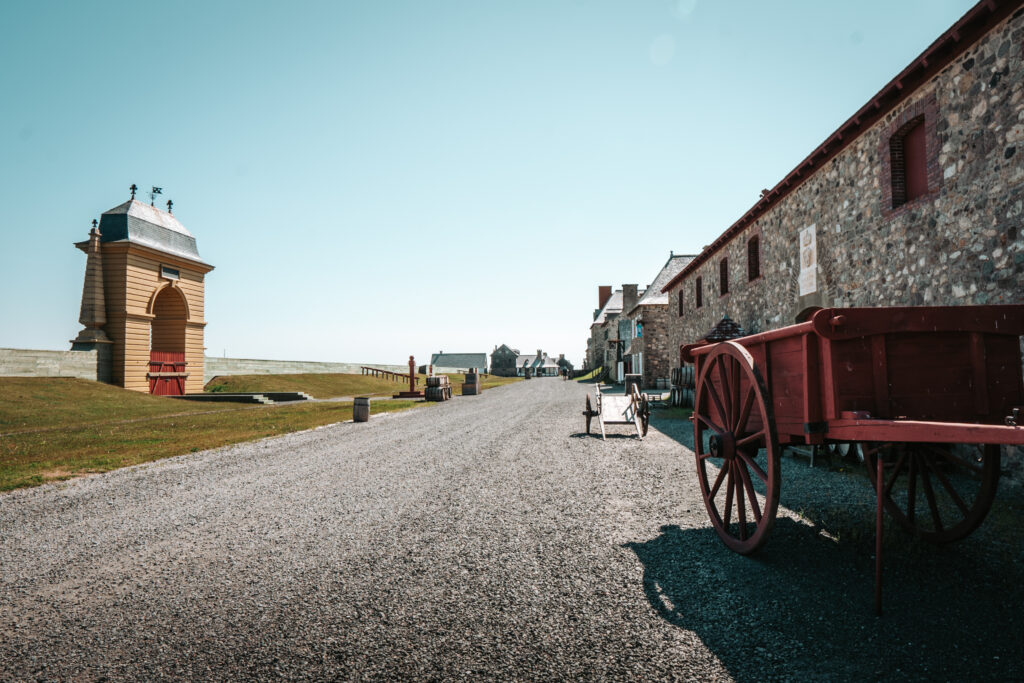
The magic of the Fortress of Louisbourg isn’t just in its towering stone walls or cannons, it’s in the way the whole place feels alive. Every street, every wooden door, every smoky kitchen fire is a portal into the 18th-century world that once thrived here.
Here’s what you shouldn’t miss during your visit:
Wander Through the Historic Town
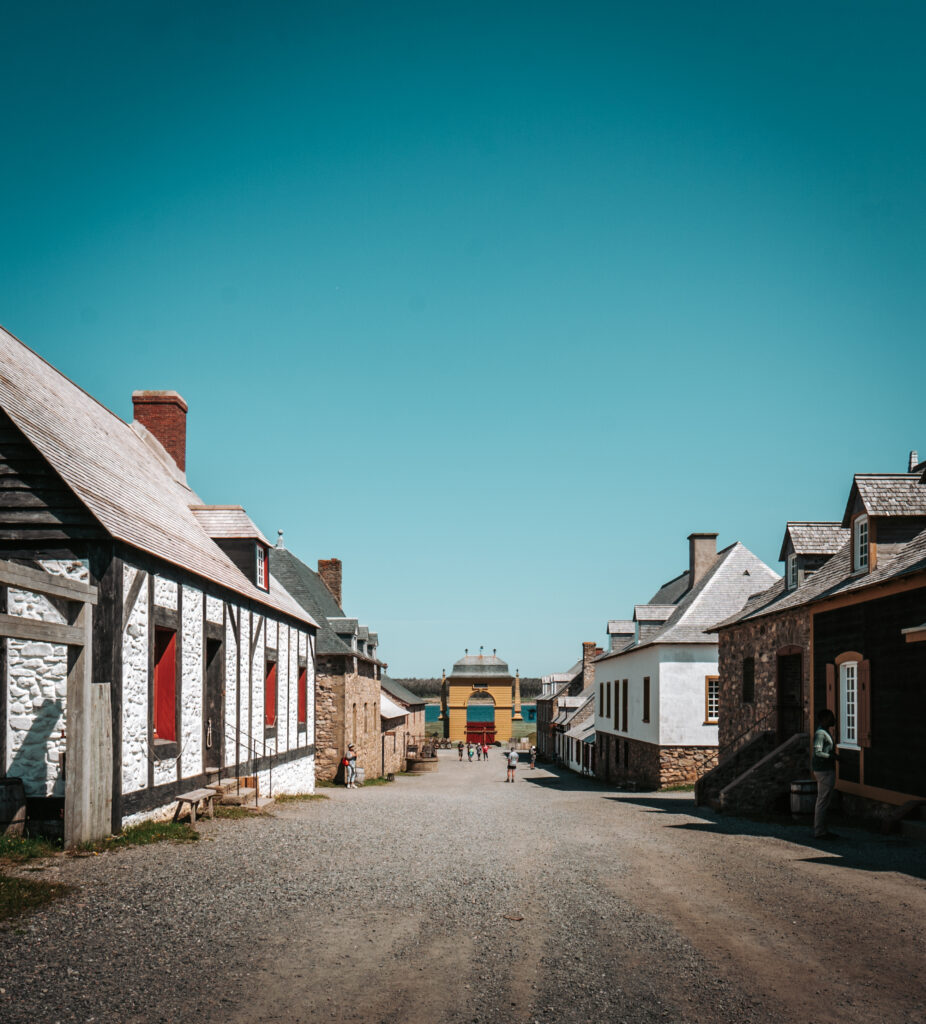
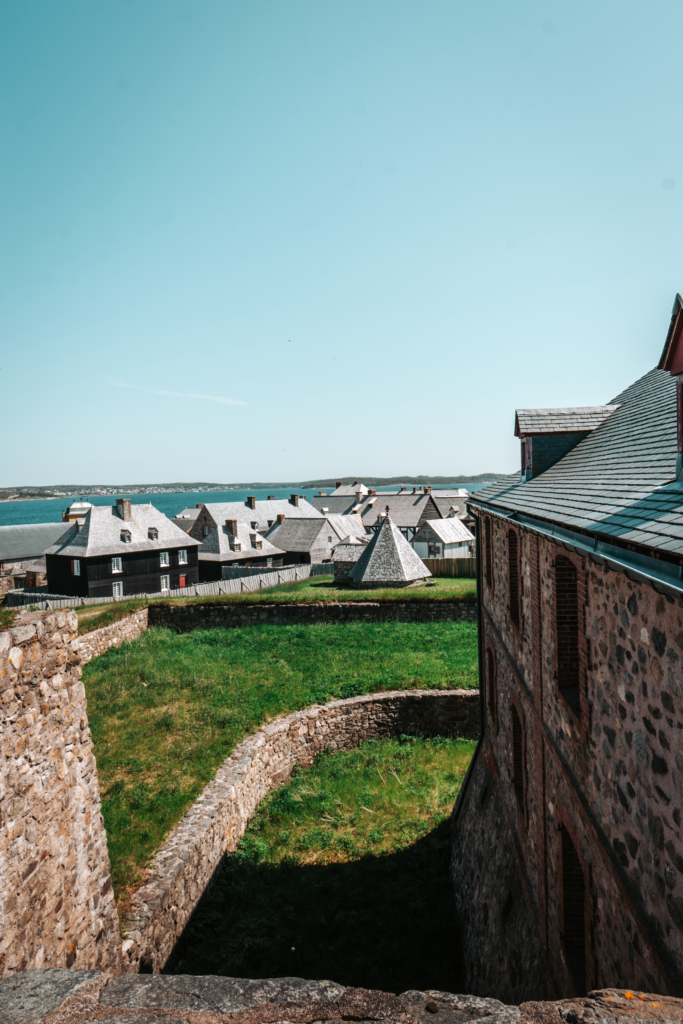
Stroll the dusty streets past soldiers, fishermen, and merchants going about their daily routines. Over 60 reconstructed buildings — from stone homes to simple huts, line the fortress, each one offering a glimpse into how people lived, worked, and survived in this remote Atlantic outpost. Peek into the bakery, visit homes of both the wealthy and the working-class, and see the difference between a grand captain’s house and a modest fisherman’s cottage.
Meet the Costumed Interpreters
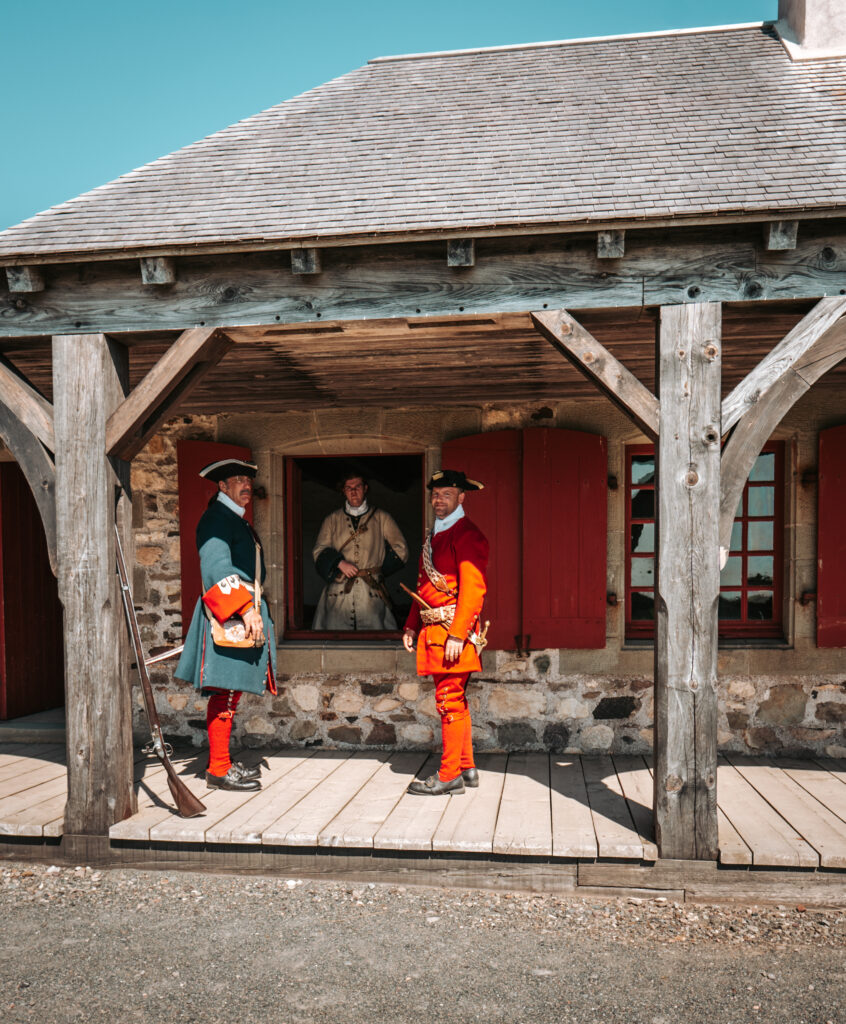
This isn’t a hands-off museum. Throughout the fortress, you’ll meet costumed interpreters who fully inhabit their 18th-century roles. Soldiers drill in the squares, fishermen mend nets by the docks, bakers tend bread ovens, and governors hold court inside opulent halls. Ask them questions, they stay in character and have a wealth of stories to share about daily life, gossip, and the tensions of the times.

Watch Cannon and Musket Demonstrations
Feel the ground shake beneath your feet as cannons thunder from the ramparts, just like they did during the sieges of the 1700s. Musket-firing demos also happen throughout the day, the crack of gunfire and the smell of gunpowder hanging in the air add a whole new dimension to the experience. Check the daily schedule when you arrive so you don’t miss these live-action moments!
Visit the King’s Bastion Barracks and Chapel
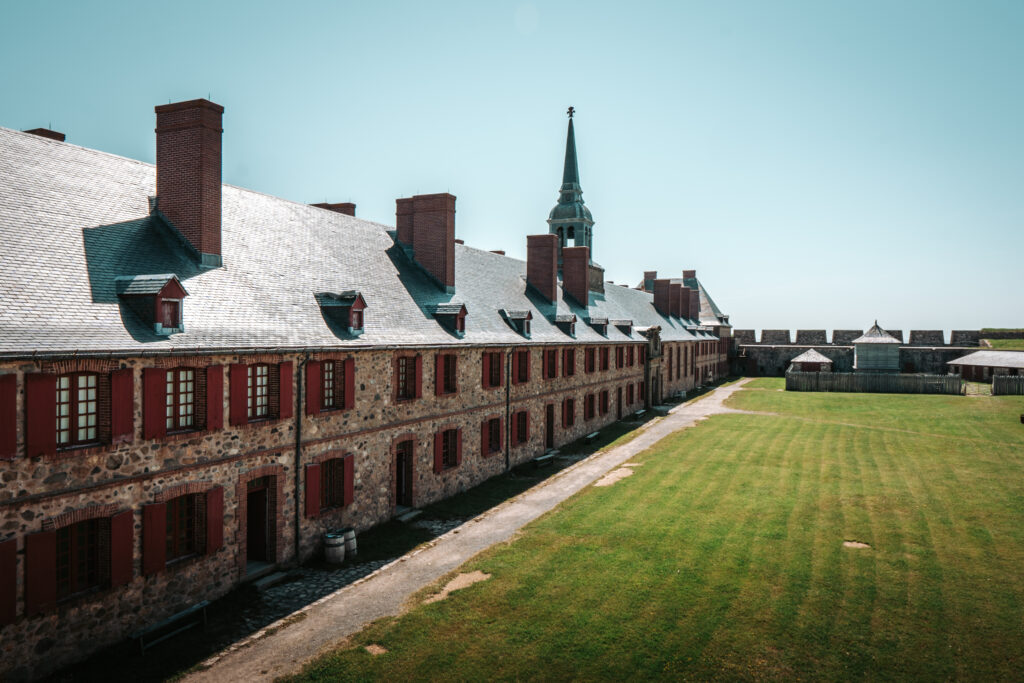
Step inside the grandest building in the fortress: the King’s Bastion Barracks, once home to the governor, troops, and military leaders. Inside, you’ll find restored officer’s quarters, exhibits about military life, and the fortress’s charming chapel, still beautifully simple and solemn after centuries. Climb up onto the ramparts afterward for panoramic views over the harbor and surrounding coastline.
Sample Traditional Food
Don’t leave without tasting a bit of history! Some of the fortress’s restaurants serve authentic 18th-century meals, think thick pea soup, fresh-baked bread, and hearty stews. It’s simple, rustic food, made with local ingredients and centuries-old techniques. You can also visit the bakery for fresh loaves baked right in stone ovens : warm, crusty, and the perfect snack to keep you going.
Explore the Harbor and Coastline
Beyond the fortress walls, take a walk down to the waterfront where ships once bustled in and out of the busy harbor. Today, the coastline feels windswept and wild, a perfect spot to pause, breathe in the salty air, and imagine the sails of French and British ships crowding the horizon centuries ago.
Tips for Visiting the Fortress of Louisbourg
The Fortress of Louisbourg is the kind of place you want to take your time exploring, and a few small tips can make your visit even better.
Here’s what to know before you step back in time:
Plan for at Least Half a Day (If Not More)
There’s a lot to see inside the fortress walls, and it’s not the kind of place you’ll want to rush. Give yourself at least four to five hours to wander the town, join a few activities or tours, grab a bite to eat, and really soak it all in. If you’re someone who loves chatting with interpreters or taking tons of photos, you could easily spend a full day here.
Summer Is the Best Time to Visit
Late June through early September is when Louisbourg really comes alive. That’s when you’ll find the full cast of costumed interpreters, daily demonstrations like cannon firings, and open buildings filled with period activities. Outside of the main summer season, the site is still open, but it’s quieter, and not all programs are available.
Dress for the Weather
This is Cape Breton, the weather changes fast. Bring layers and be ready for everything from warm sun to cool ocean breezes in a single afternoon. Comfortable walking shoes are a must, especially since you’ll be exploring uneven dirt streets and grassy paths.
Pick Up the Daily Schedule
When you check in at the visitor center, grab a program of the day’s activities. Cannon firings, musket demonstrations, guided tours, and special workshops are often happening, but the times change daily. Having a schedule in hand helps you catch the best moments.
How to Get Your Tickets
You’ll need to purchase Fortress of Louisbourg National Historic Site tickets either online through Parks Canada or at the visitor center when you arrive.
Sometimes Parks Canada offers combo passes if you’re visiting multiple sites in Cape Breton, worth checking if you’re also planning to explore places like Cape Breton Highlands National Park.
Why It’s Worth the Detour From the Cabot Trail
The Cabot Trail is all about nature , cliffs plunging into the Atlantic, winding mountain roads, beaches and highlands that stretch out forever. But taking a small detour to visit the Fortress of Louisbourg adds a whole other layer to your Cape Breton adventure: it connects you to the human stories behind this wild, beautiful landscape.
At Louisbourg, the history isn’t trapped behind glass. It spills out into the streets, echoed in the clang of the blacksmith’s hammer and the crack of musket fire along the ramparts. You don’t just learn about the 18th century, you step into it.
And the best part? It’s not far at all. From the Baddeck area at the start or end of your Cabot Trail loop, it’s about a 1.5-hour scenic drive to Louisbourg, a perfect day trip if you’re craving something different after days of hiking and coastal views. If you’re starting from Sydney, you’re even closer.
Adding Louisbourg to your Cabot Trail itinerary gives you the full Cape Breton experience: not just the soaring landscapes, but the stories of those who fought, built, and lived here hundreds of years ago. It’s a detour you’ll be glad you made, one that stays with you long after you’ve left the fortress walls behind.
Final Thoughts
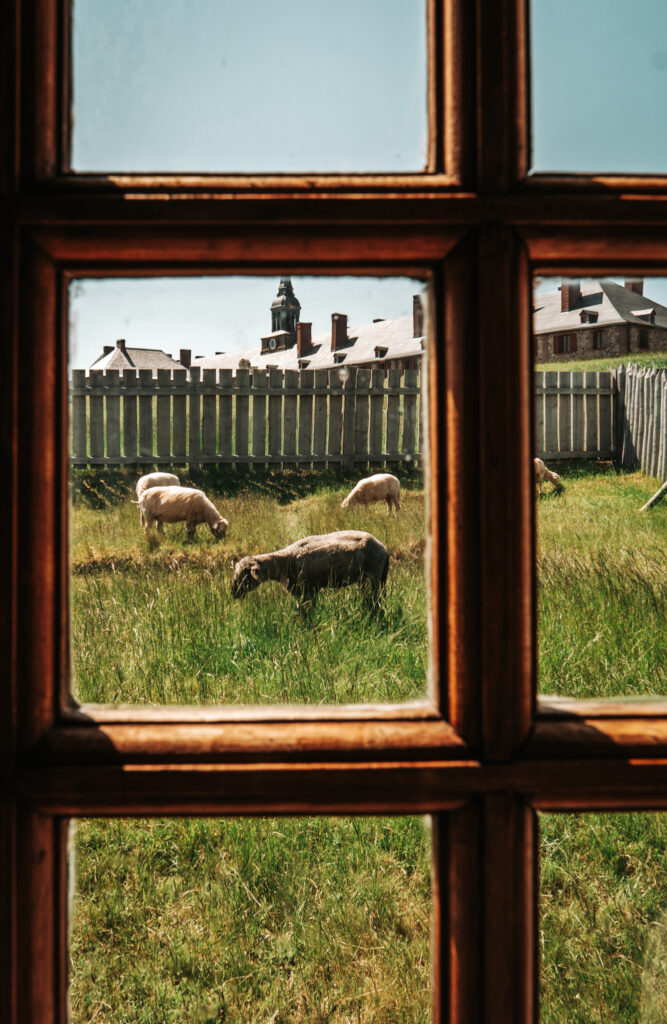
Visiting the Fortress of Louisbourg feels less like stepping into a museum and more like slipping into another lifetime. It’s the sound of a musket cracking through the salty air, the smell of fresh bread baking in a stone oven, the weight of history lingering in every worn cobblestone and timbered wall.
This isn’t just a stop to check off your list, it’s a place to wander, to listen, and to imagine the lives of the people who once called these walls home.
If you’re planning a trip around Cape Breton or driving the Cabot Trail, don’t miss the chance to add a little time travel into your adventure. The Fortress of Louisbourg offers a rare glimpse into the stories, struggles, and spirit that shaped the history of this island, and it leaves you with memories that feel just as vivid as the landscapes themselves.
Looking for more Nova Scotia travel ideas? Check out my other blog posts for itineraries, hiking trails, and hidden gems across the province!
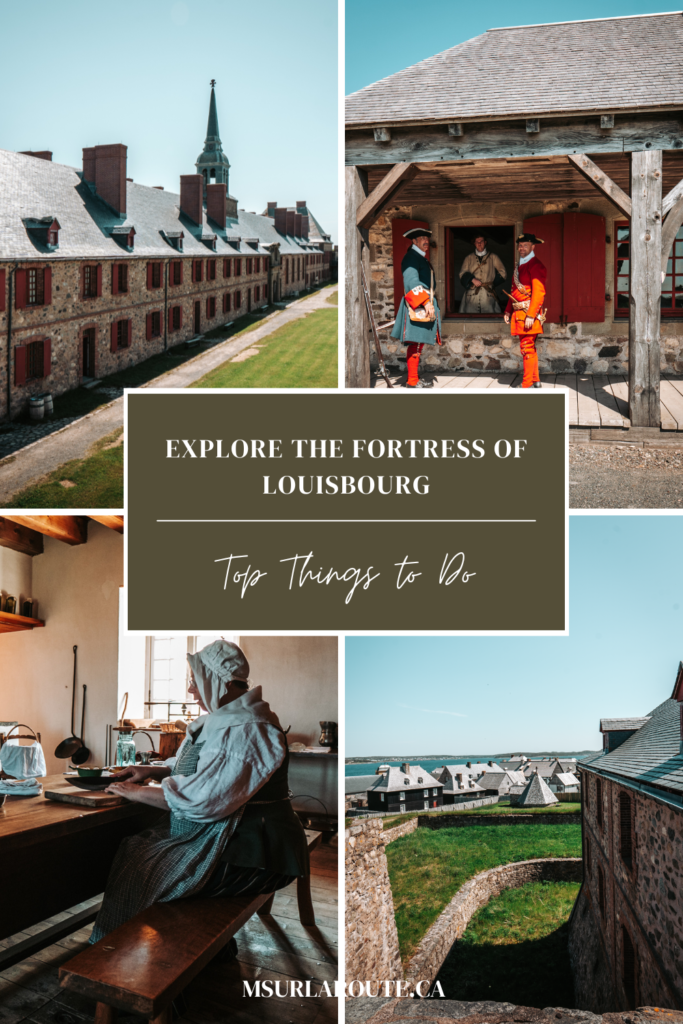
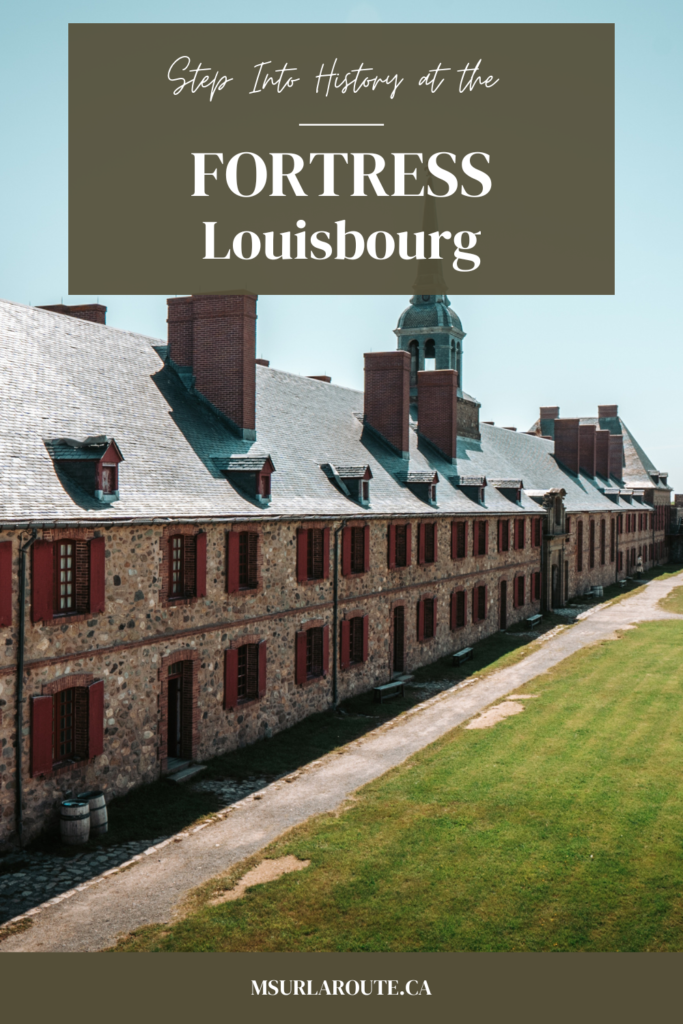
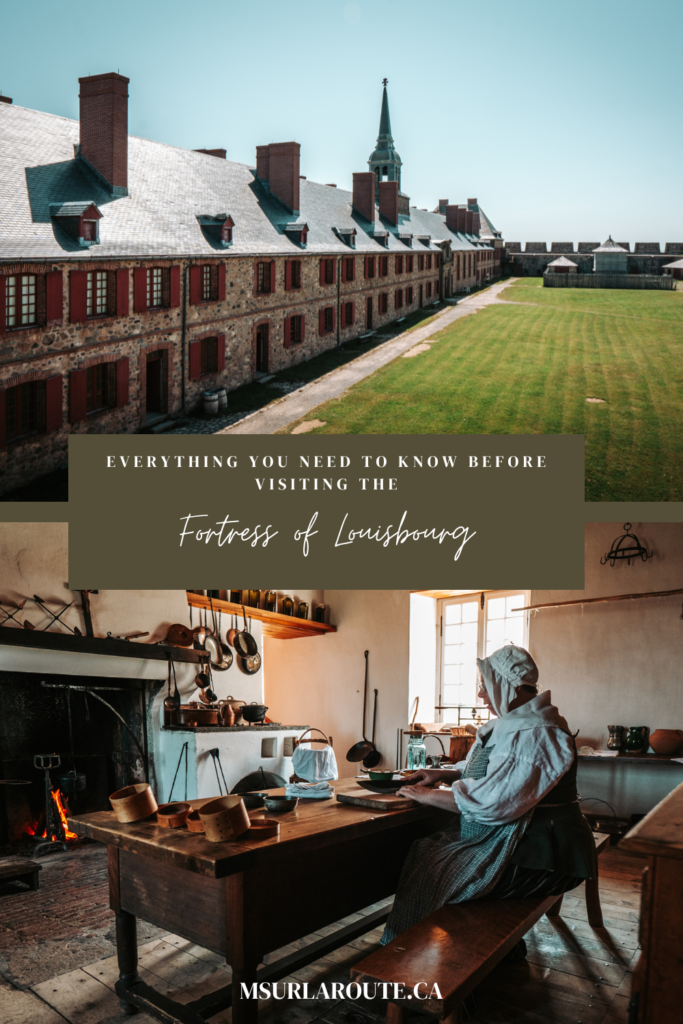
PIN THIS FOR LATER
Follow me on Instagram!
I almost made a very different version of this reel.
Last time I posted about Smiths Falls, the comments surprised me and a lot of them seemed to come from people who actually live there. There’s nothing to do here. It’s boring. My first instinct was to make a whole clap-back video, screenshots and all.
But honestly? I get it. Nobody is a tourist in their own town. The canal is just the thing you cross on your way to work. The museum is where you went once on a school trip in grade four. When you see a place every single day, it goes invisible.
I grew up near the Bay of Fundy – home of the highest tides on the planet – and as a kid I thought it was the most boring place on earth. It took moving away to realize people cross oceans to see what was in my backyard.
So this reel is me being a tourist in your town for you. The 1912 bridge you’d paddle under if you hadn’t stopped noticing it. The museum where you can climb into the trains, and even sleep in one. The thrift trail. The mural. All of it.
To everyone who’s never been: this is your sign for an easy day trip from Ottawa or Kingston.
And to Smiths Falls locals: I dare you to do one thing from this list this weekend. Report back. 😌
What’s the thing in YOUR town that you’ve stopped noticing? I want to hear it.
🇫🇷 La version française est dans les commentaires.
#SmithsFalls #RideauCanal #OntarioDayTrip #ExploreOntario #smalltownontario


I have a confession: half my road trips are reverse-engineered.
I don’t pick a destination and find a coffee shop nearby. I pick the coffee shop, then build a whole day around justifying the drive. A hike here, a beach there, some antiquing, all very respectable cover stories for the fact that I drove two hours for an iced latte.
Because here’s what I’ve figured out after years of crisscrossing Ontario: the best coffee shops are never just coffee shops. They’re the unofficial welcome centre of every small town. The barista knows which trail is muddy this week. The regulars will tell you where to park for free. The bulletin board has better local intel than any travel blog, mine included.
So this list isn’t really about coffee. It’s about the 12 places I use as an excuse to keep exploring this province. Swipe through, every single one comes with what to pair it with so you can build your own cover story.
From Thunder Bay to the County, consider this your permission slip to drive unreasonably far for caffeine.
Which one’s closest to you? And more importantly, what’s YOUR coffee shop worth driving for? I’m always taking notes. ☕
🇫🇷 La version française est dans les commentaires.
#OntarioCoffeeShops #OntarioRoadTrip #DiscoverOntario #OntarioTravel #SmallTownOntario

For over a hundred years, the men who lived in this house woke up, looked at the lake, and went to work captaining the Wolfe Island ferry. Three generations of them. Same water, same crossing, every day.
I thought about that a lot during my stay at @themullinhouse_ (mainly from the bathtub, because the tub faces the lake and once you’re in it there’s no reason to be anywhere else.)
The Mullin House just opened as a stay, and those who brought it back to life did it in the best way that possible. Keeping the soul of the place.Places with an actual story make my job as a photographer easy. I just have to pay attention.
And if you want to stay here too: It’s a free 20-minute ferry from Kingston, 5 bedrooms, sleeps 10. So this is your sign to plan the group trip you keep talking about.
Save this for when you book it, and be honest, would you make it out of that bathtub by checkout?
Thank you to @themullinhouse_ for having me!
🇫🇷 La version française est dans les commentaires.
#wolfeisland #kingstonontario #thousandislands #exploreontario #ontariotravel

I grew up an hour from the Bay of Fundy. And every few years, my school would pile us onto a bus and take us to Hopewell Rocks or Fundy National Park. And every single time, as a kid, I thought : ‘okay, cool. Rocks. Trees. Can we go home now?’
I had absolutely no idea what I was standing next to.
It took me leaving New Brunswick, travelling across the country before I came back to the Bay of Fundy as an adult and genuinely had my breath taken away. I grew up next to one of the most extraordinary places on the planet and completely took it for granted. And I think a lot of Maritimers probably feel the same way.
This carousel is my attempt to fix that, for myself, and for anyone who’s never made the trip. Scroll through and I’ll show you exactly how I’d plan a road trip along the New Brunswick side, from the tidal flats to the coastal cliffs to the little fishing towns that feel completely frozen in time.
And if you have extra days to spare, Saint John is absolutely worth a stop, underrated city, great food scene, and it sits right on the bay.
I’m also heading back this summer to try a stay I’ve had my eye on for a while, I genuinely cannot wait to tell you all about it. 👀
Save this for your New Brunswick road trip. 🙌
👇 Have you ever been to the Bay of Fundy? Were you as underwhelmed as I was at 10 years old? 😄
🇫🇷 La version française est dans les commentaires.
#BayOfFundy #NewBrunswick #ExploreCanada #CanadaTravel #FundyNationalPark

I’ll be honest, when I pulled up to @whispering_springs I didn’t know what to expect. I’d seen the photos, I’d read the website, but nothing really prepares you for the moment you walk into your safari tent and realize this might actually be nicer than your apartment.
We’re talking a king bed, more space than I expected, and an actual bathtub, in a tent. I took a bath. In the woods. And I would do it again without hesitation.
Oh and the s’mores bar? Someone thought really hard about what would make people unreasonably happy at the end of a summer night and they nailed it.
Save this for your summer planning because at 90 minutes from Toronto there is really no reason to wait.
Now tell me have you ever gone glamping? If not, what are you waiting for!
🇫🇷 La version française est dans les commentaires.
#OntarioGetaway #GlampingOntario #OntarioTravel #WeekendGetawayOntario
ExploreOntario
