

Visiting Jasper after the 2024 wildfires? Here’s what to know before planning your trip to Jasper National Park in 2025, including trail closures, scenic spots still open, and what’s changed along the Icefields Parkway.
I wasn’t sure what to expect when I arrived in Jasper. It was my first time visiting, and like many people, I had seen the news about the 2024 wildfires. I had read about closures, seen photos of scorched trees along the Icefields Parkway, and wondered: would it still feel like the Jasper people fall in love with?
The answer? Yes, but in a different, more layered way. There were moments that were quiet and haunting, like driving past charred forest on the edge of town. And there were others that were just as jaw-dropping as I imagined: the stillness of Medicine Lake, the blues of Maligne, the peaceful hum of the town of Jasper itself. Nature was still doing its thing : adapting, healing, showing off.
Read more // Check out my full blog post on what to do in Jasper National Park in one day.
So if Jasper is on your list for 2025, here’s what you should know before you go. This guide pulls together what I learned during my visit, especially for travelers wondering what’s changed since the wildfires and what’s still very much worth seeing.
Don’t forget to check out all of my Alberta blog posts to make the most of your roadtrip!
What Happened During the 2024 Wildfires in Jasper?
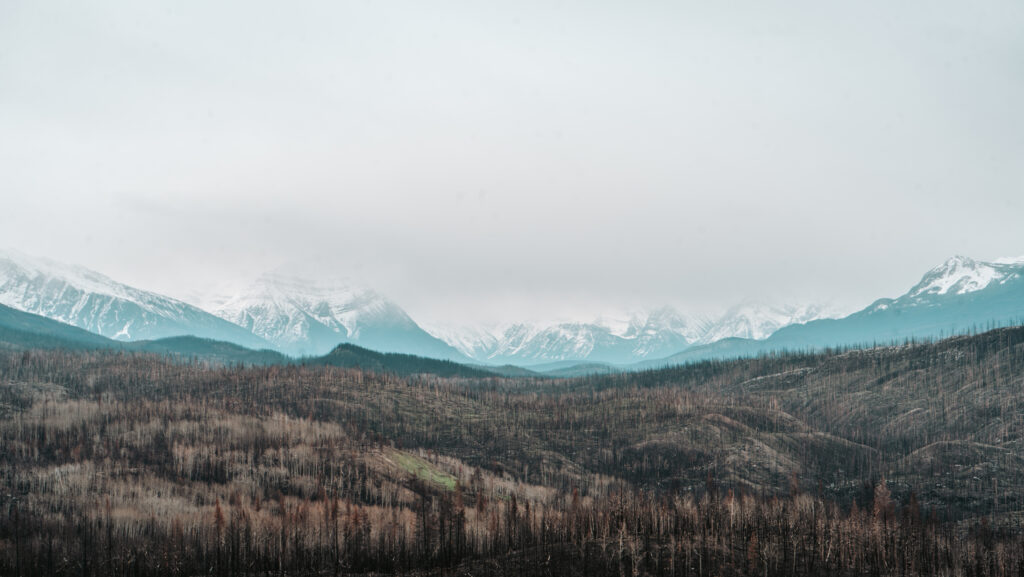
In late July 2024, Jasper National Park faced one of the most significant wildfires in its recent history. What began as a lightning strike quickly escalated into a fast-moving blaze that swept across the landscape just north of the town of Jasper. Within days, a second fire broke out to the south, and the two merged into a larger, more destructive event.
By the end of July, over 25,000 residents and visitors had been evacuated, and several areas within the park – including some of its most popular trails and viewpoints – were closed due to fire risk. Trails like Maligne Canyon and Valley of the Five Lakes were directly affected, while others were closed as a precaution or to support firefighting efforts.
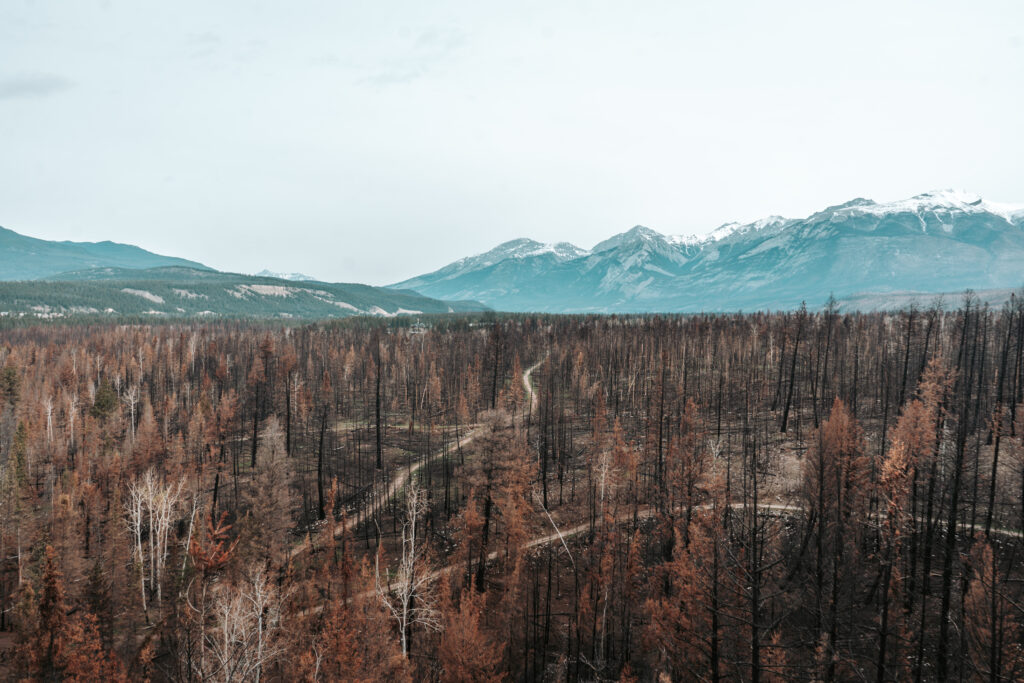
The fire ultimately burned through more than 33,000 hectares of forest. Driving into Jasper today, especially if you’re arriving via the Icefields Parkway, you’ll see long stretches of scorched trees. It’s a sobering reminder of the scale of what happened but also of how resilient the land is.
As of spring 2025, the fires are officially out, and Parks Canada continues to work on recovery: clearing damaged trees, assessing trail safety, and monitoring the forest’s natural regrowth. Some trails remain closed, but many areas of the park are open and thriving and that contrast makes a visit here feel especially meaningful.
What to Know Before Visiting Jasper National Park in 2025
1. Yes, Jasper is Still Open and Worth Visiting
After hearing about the 2024 wildfires, I wasn’t sure what kind of experience to expect. Would the trails be open? Would the town feel quiet? Would the scenery be the same? The answer: Jasper is absolutely still open and very much worth visiting.
During my time there, I was surprised by how much of the park still felt… well, like Jasper. Yes, you’ll notice the burn zones, especially if you’re arriving from the south on the Icefields Parkway. And yes, some trails are still closed or under repair. But there’s still so much to see, do, and experience.
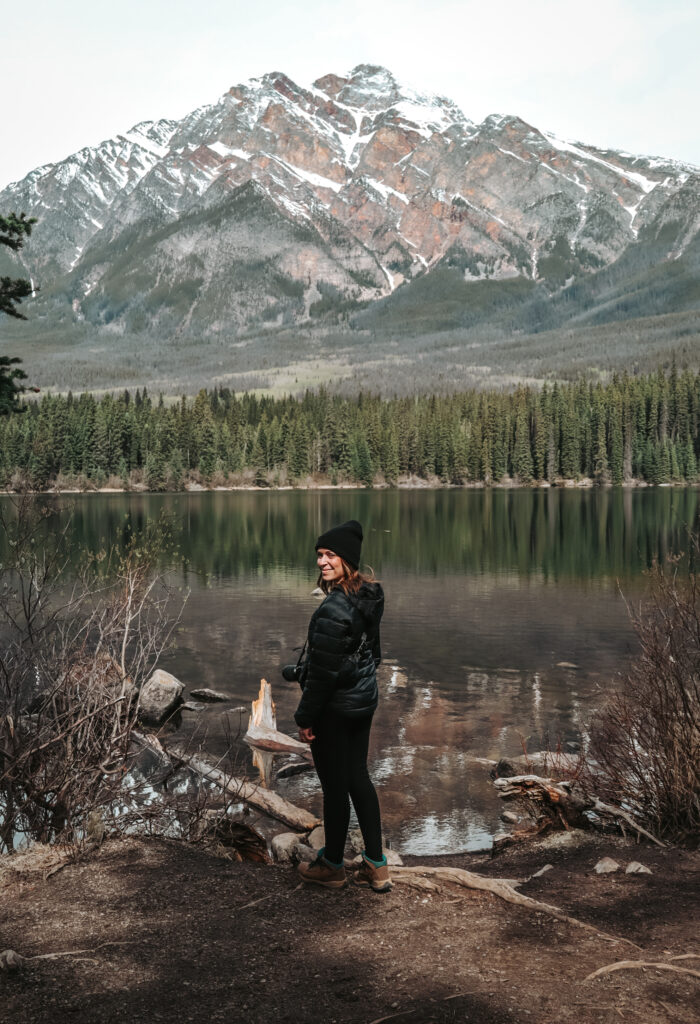
Lakes like Maligne and Medicine, scenic areas like Pyramid Lake, and the energy of the townsite itself, they’re all intact and just as stunning as ever. And while some parts of the park are still in recovery, others feel surprisingly untouched.
If anything, this is a powerful time to visit. You’ll see the landscape in transition, a mix of resilience, change, and quiet beauty. And with fewer crowds than in Banff, it still feels like one of Canada’s best-kept mountain secrets.
2. Some Areas Are Still Closed or Recovering
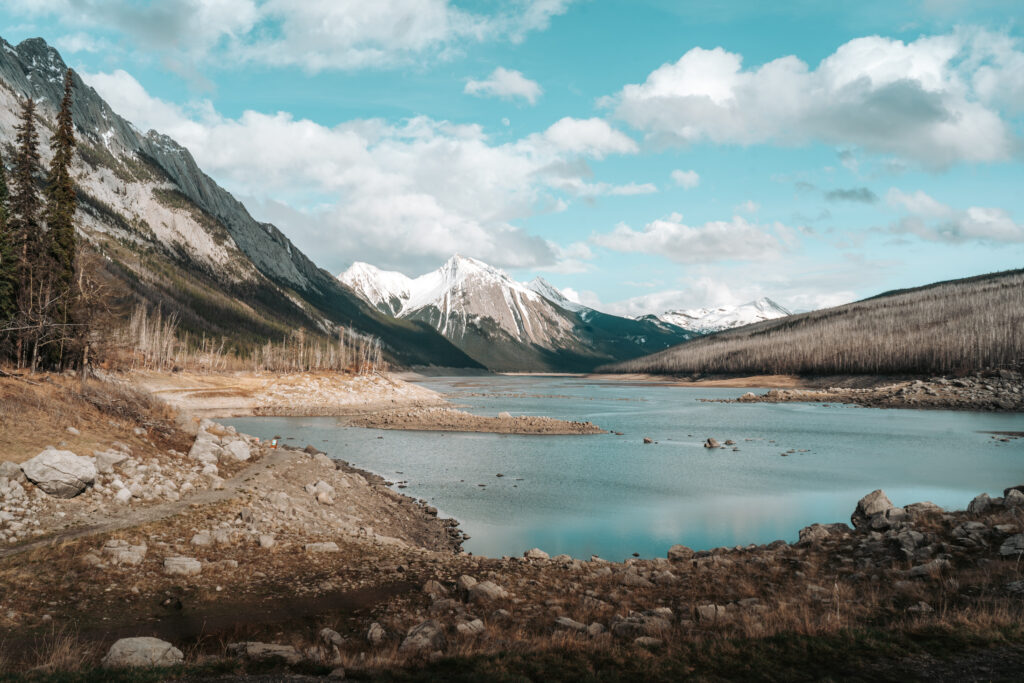
While much of Jasper National Park is open and thriving, a few key areas are still closed as the park recovers from the 2024 wildfires, and that might impact what you can do.
Some of the most notable closures include:
- Valley of the Five Lakes – This classic, beginner-friendly hike remains closed due to fire damage and safety concerns. No official reopening date has been announced.
- Maligne Canyon Trail – Still closed during my visit. Parks Canada is assessing and restoring the area, but the canyon trail isn’t accessible yet.
- A few day-use areas along Highway 16 and other trailheads – Some sites impacted by fire are closed for hazard tree removal and restoration.
One important thing to note: I’ve seen some travel content (even recent videos and blog posts) still recommending these closed areas, likely because the creators visited before the fire. If you’re using older guides to plan your trip, double-check everything on Parks Canada’s website before you go. Otherwise, you might show up ready to hike… and end up disappointed.
That said, there are still so many incredible alternatives. I had to pivot my plans too, and ended up exploring spots like Maligne Lake, Pyramid Lake, and quieter trails I hadn’t originally planned for.
3. There’s Visible Fire Damage (Especially if You’re Driving from the South)
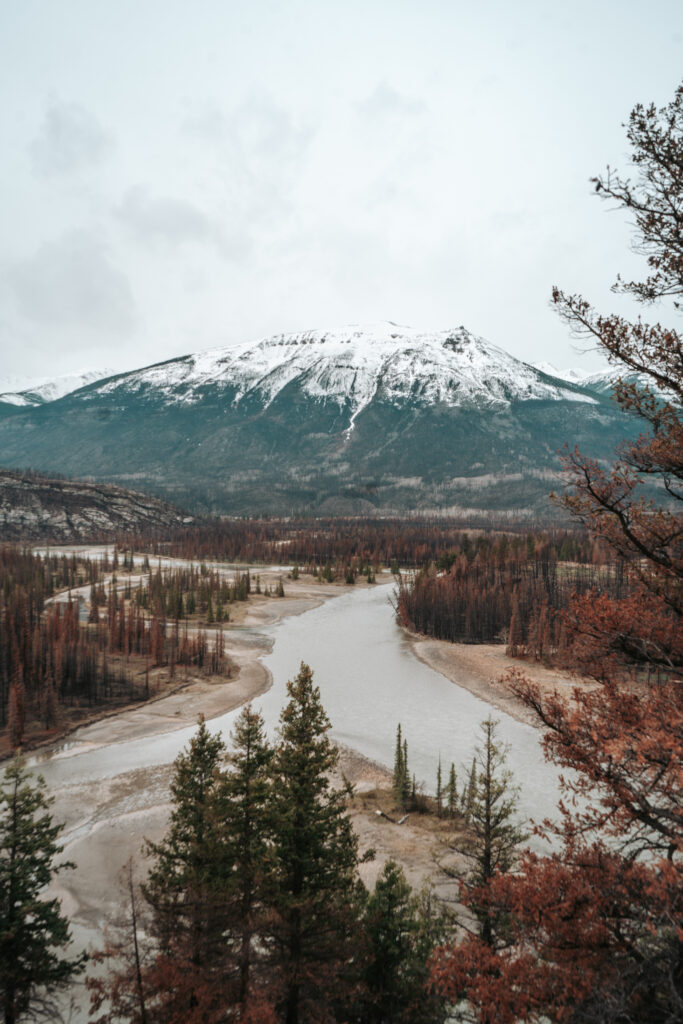
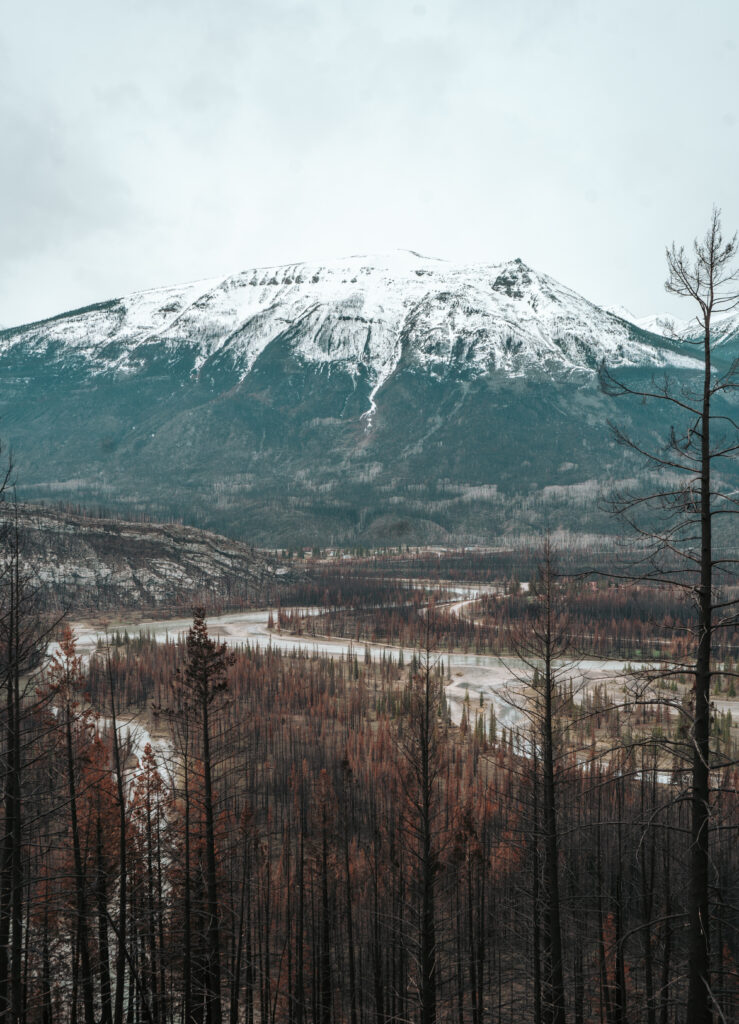
If you’re arriving via the Icefields Parkway, you’ll start noticing the fire damage well before you reach town. Entire stretches of forest along the highway -especially south of Jasper – are visibly scorched. For me, this was the first sign of just how large and intense the 2024 wildfires really were. The landscape changes dramatically, and it can feel a bit eerie.
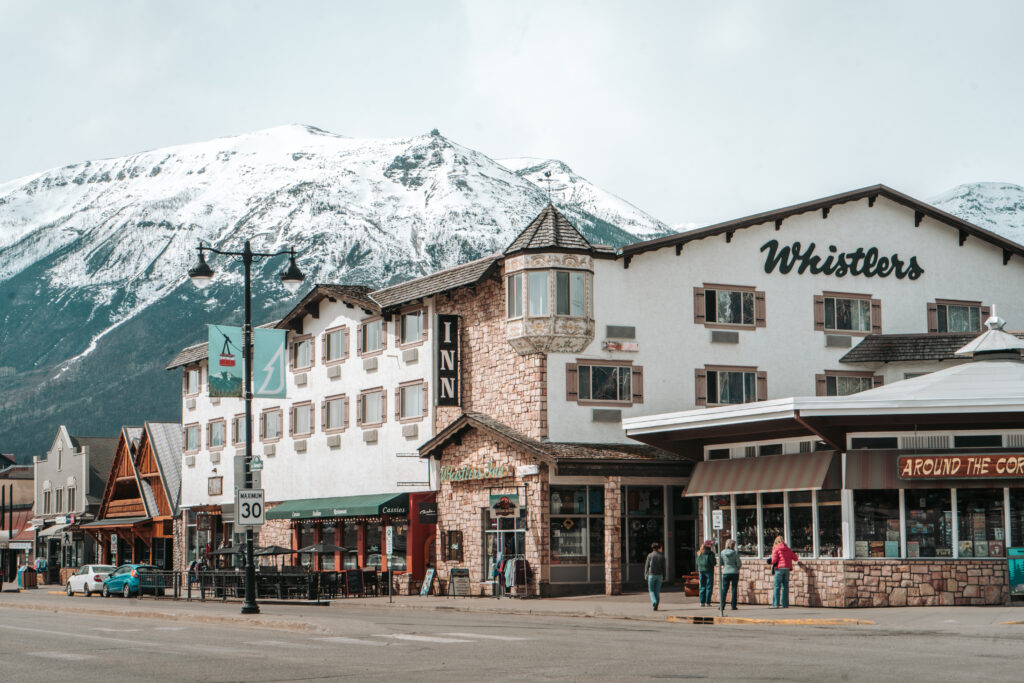
But what caught me most off guard was seeing fire damage in and around the town of Jasper itself. Just beyond the main streets, especially near the edge of town and along the train tracks, you’ll still see blackened trees, damaged signage, and sections of forest that clearly didn’t make it. There’s a contrast between the bustling cafés and mountain shops and the burned hills rising just behind them, and it’s a contrast that really stays with you.
Some parks and picnic areas near the town remain closed or cleared out due to safety concerns, and you can tell the community is still recovering. That said, the heart of Jasper is still beating strong. Locals were warm and welcoming, and the town felt very much alive during my visit.
4. Maligne Lake and Medicine Lake Are Still Open, and Absolutely Worth It
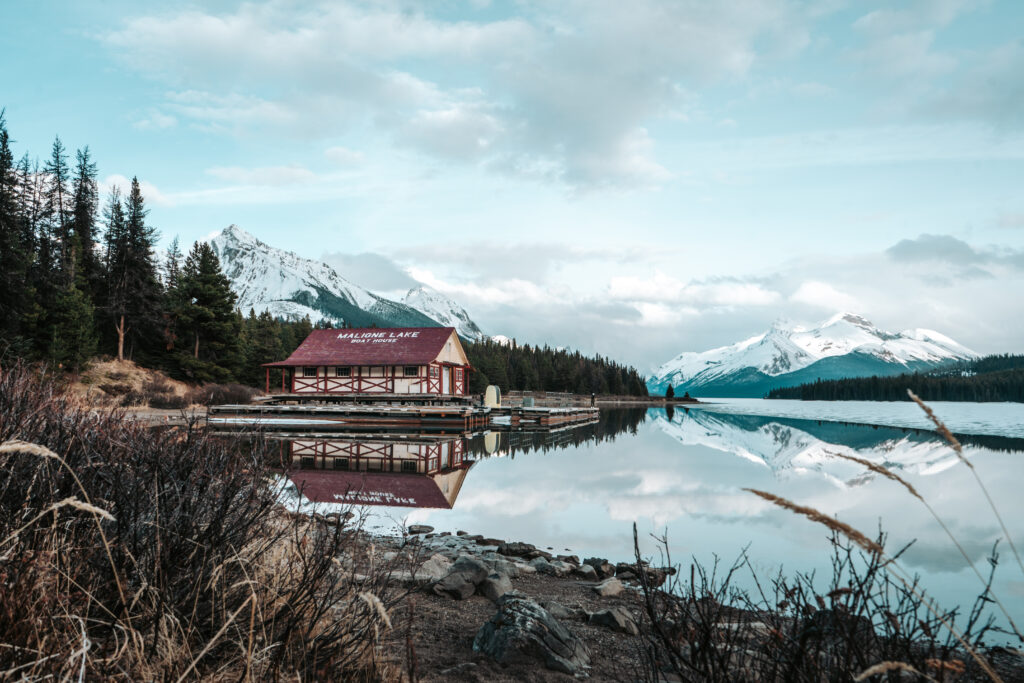
If you’re wondering whether some of Jasper’s most iconic lakes were impacted by the fires, good news: Maligne Lake and Medicine Lake are both open, and they are just as breathtaking as you’d hope.
The drive to Maligne Lake was one of my favourite parts of the entire trip. Winding through forested valleys with glimpses of peaks in every direction, it’s the kind of road that makes you pull over just to soak it in. Along the way, you’ll pass Medicine Lake, which is famous for mysteriously draining and refilling with the seasons.
When I got to Maligne Lake, I wasn’t sure what to expect post-fire but the area felt quiet, peaceful, and untouched. You can walk along the lakeshore trail, rent a canoe, or just sit and admire the view (which is especially moody in early spring).
These lakes are still very much the heart of Jasper. If you’re adjusting your plans due to trail closures, I’d recommend prioritizing this part of the park, it’s one of the most rewarding detours you can take.
5. Expect Limited Cell Service in the Park
One thing I wish I had been more prepared for: how spotty the cell service is in Jasper National Park, especially outside the town itself.
Once you’re out on the road or heading toward areas like Maligne Lake, Medicine Lake, or the Icefields Parkway, don’t count on staying connected. It’s not just slow… it’s often non-existent.
If you’re relying on your phone for directions, trail maps, or even booking confirmations, I’d highly recommend:
- Downloading offline maps (Google Maps, Maps.me, or AllTrails)
- Saving or printing your booking details ahead of time
- Letting someone know your plans if you’re hiking or driving solo
I personally lost service just a few minutes outside the townsite and didn’t get it back until I returned hours later. Not a big deal if you’re expecting it, but a bit stressful if you’re mid-navigation with no backup plan.
On the upside? It forces you to unplug a bit and really be present. Which, honestly, is part of the magic of being out here.
6. Pyramid Lake Is the Perfect Low-Key Stop
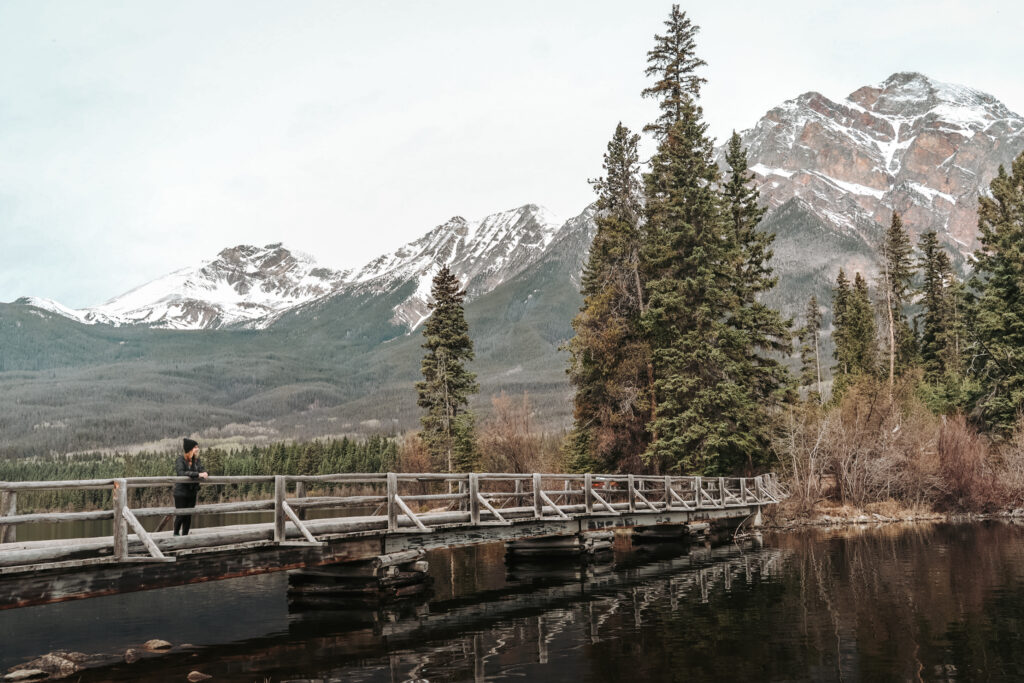
If you’re looking for a peaceful spot that feels a little more under-the-radar, Pyramid Lake is it. Just a short drive from Jasper townsite (about 10–15 minutes), this lake is calm, scenic, and much less crowded than the park’s bigger names. You’ll find picnic tables, a wooden footbridge that connects to Pyramid Island, and plenty of space to just sit and soak in the view which, by the way, includes the striking Pyramid Mountain reflected in the water.
It’s also one of the easiest spots to reach if you’re short on time or just want a quieter break between bigger excursions. No major hiking required, though there are trails nearby if you’re feeling like stretching your legs.
I stopped here late in the day when the light was soft, and it honestly felt like a little escape within an already remote place. If you’ve already adjusted your itinerary due to closures, this is a great add-on that doesn’t require much effort but delivers big-time on views.
7. Wildlife Sightings Are Still Very Common
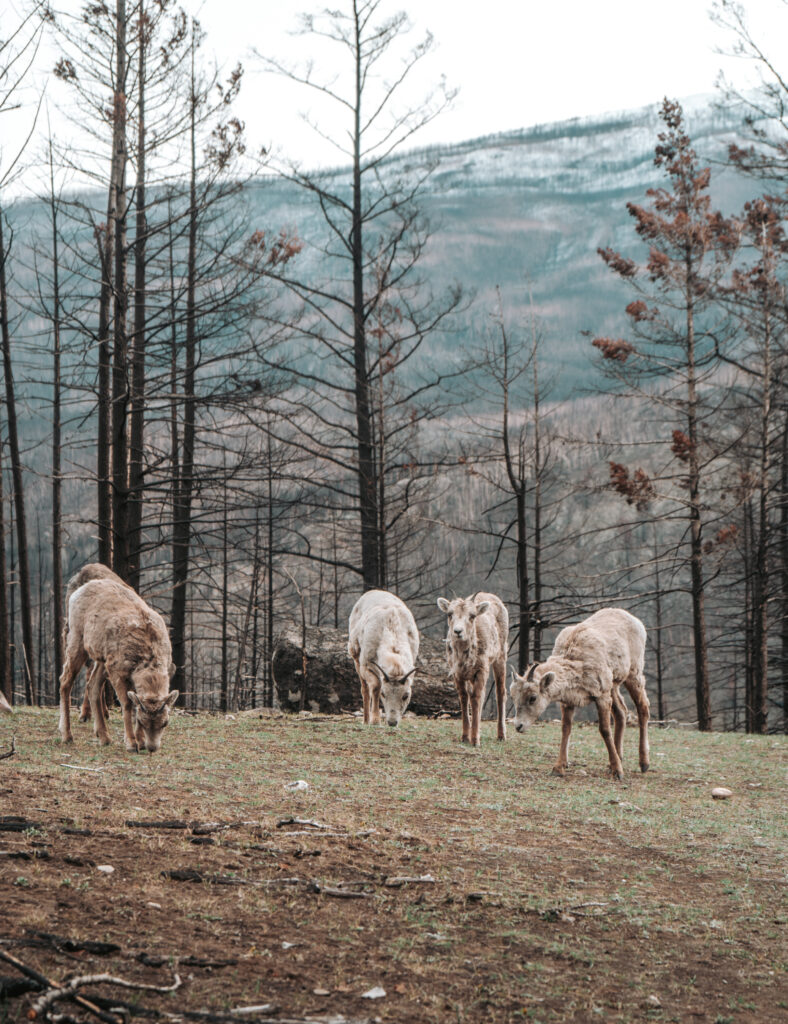
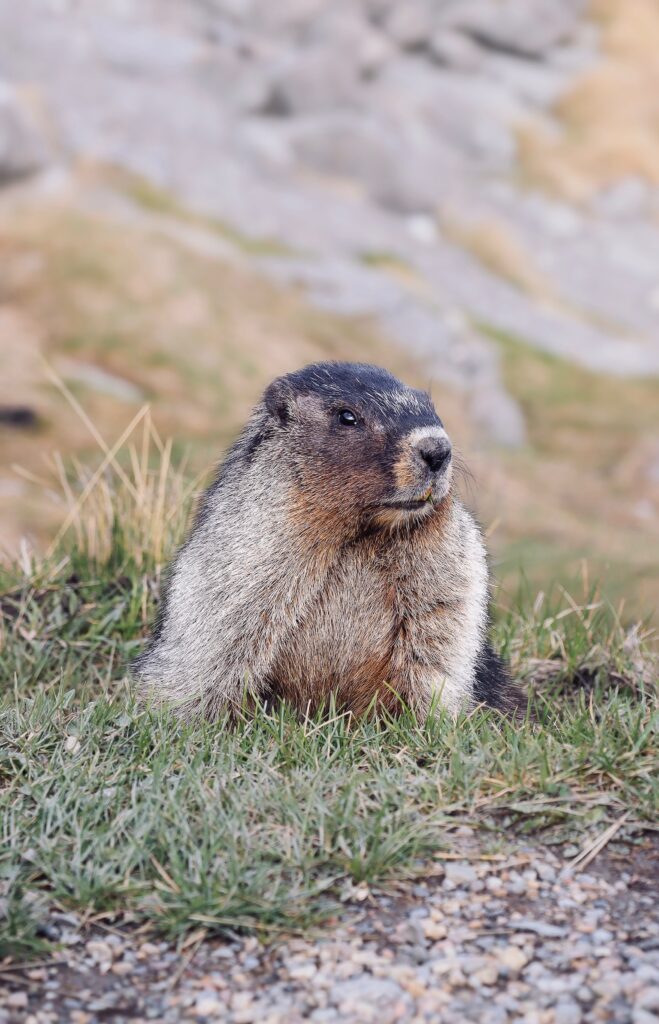
Despite everything the park has gone through, Jasper is still full of wildlife and if anything, I felt like the animals were more present than ever. During my visit, I saw elk just outside the townsite, mountain goats near the highway, and heard from other travelers about bear sightings along quieter trails. The park still has that wild, untouched energy and you really don’t have to go far to feel it.
That said, fire activity may have shifted some animal patterns, so it’s worth staying extra alert especially if you’re hiking or driving early in the morning or at dusk. I also noticed more signage than usual reminding visitors to keep their distance, drive slowly, and not feed or approach animals.
A few quick tips:
- Keep binoculars or a long lens handy (you’ll probably use it).
- Store food properly if you’re picnicking or camping.
- And if you’re hiking solo or in less trafficked areas, carry bear spray — just in case.
Jasper still offers that magical feeling of sharing the landscape with something wild. Just be respectful and stay aware and chances are, you’ll catch a glimpse of something unforgettable.

8. The Town of Jasper Is Very Much Alive
One of the most reassuring parts of my visit? The town of Jasper is still buzzing. After seeing the burn zones along the highway and hearing about evacuations in 2024, I expected the town to feel a little… quiet. But it didn’t. Cafés were busy, shops were open, and the sidewalks were full of travelers stopping in for coffee, picking up souvenirs, or just stretching their legs after a hike.
The town didn’t feel untouched, there were signs of what had happened. Some areas just outside the main blocks still showed fire damage. But there’s a real sense of resilience here, and that was one of the things that stood out the most during my stay.
If you’re passing through, it’s absolutely worth making time to explore:
- Grab a pastry or lunch at one of the local cafés (The Bear’s Paw Bakery is a classic).
- Walk the downtown streets, where you’ll find outfitters, galleries, and a few surprisingly great food spots.
- Pop into the visitor centre to get the most current trail and closure updates.
It’s the kind of place that instantly makes you feel like a traveler, not just a tourist, and a good reminder that Jasper isn’t just a park. It’s also a community.
9. Should You Stay Overnight or Visit in a Day?
I visited Jasper as part of a longer Alberta road trip and ended up staying with a friend in town, which made things easy and flexible. But if you’re planning your first visit and wondering if it’s worth staying overnight: yes, if you can swing it. Spending the night gives you more time to explore at a slower pace and more importantly, it lets you experience the park in those quieter moments early in the morning or later in the evening when the crowds thin out and the light gets really good.
That said, Jasper can also work as a (long) day trip, especially if you’re based stopping through on your way along the Icefields Parkway. Just be ready for a packed schedule, and plan ahead if you want to squeeze in any hikes or lake visits.
If you do want to stay overnight, here are a few options to consider:
- Hotels and motels in town: Simple, central, and walkable to shops and restaurants.
- Pyramid Lake Resort: A cozy option just outside town, close to the water.
- Camping: If you’re visiting in the summer and can snag a reservation, this is a great way to really immerse yourself in the park (just double-check which campgrounds are open post-fire).
If accommodations are fully booked or out of budget, even a few focused hours in Jasper can still be memorable, you just might find yourself wishing you had more time.
10. You May Feel Emotional Seeing the Fire’s Impact
I knew there had been wildfires. I had read the updates, checked the trail closures, and adjusted my plans. But it still hit me in a way I didn’t expect. Driving into Jasper and seeing the blackened forests, the lingering smoke scent in some areas, and even the reminders in town, it all added a layer of emotion to the trip. Nature doesn’t hide its wounds here. And honestly, that rawness makes the experience deeper.
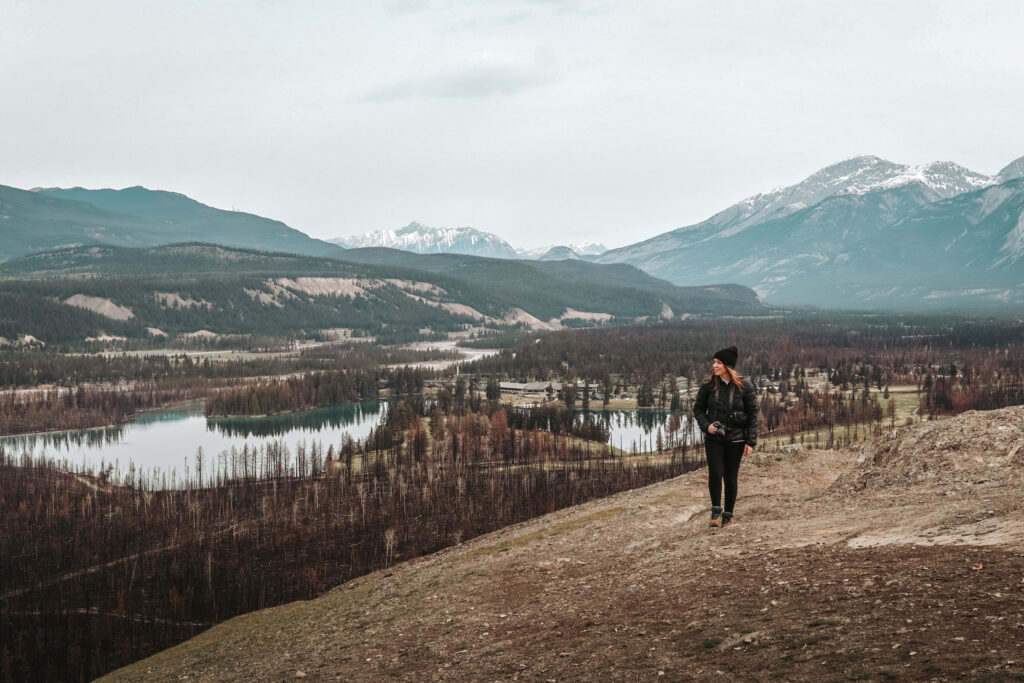
You’ll notice how the fire shaped the landscape. You’ll see the contrast between what burned and what was spared. And in many places, you’ll spot tiny signs of regrowth : new grass, wildflowers, birds returning. It’s both beautiful and sobering.
This might not be the glossy, postcard-perfect Jasper you’ve seen in guidebooks. But it’s still incredibly powerful and arguably even more meaningful. Visiting post-fire means witnessing a place in transition. It’s a different kind of beauty, one that stays with you.
11. Jasper Is Still One of the Most Beautiful Places in Canada
Even after everything – the fires, the closures, the visible damage – Jasper still took my breath away. Not in a dramatic, one-scenery-fits-all kind of way. But in the quiet moments: standing beside a still lake with no one around, driving a road that curves into the mountains, watching light move across the ridges in the late afternoon. There’s something about Jasper that still feels wild and grounded and completely worth showing up for.
If anything, visiting now gives you a deeper appreciation of this place. You see not only its beauty, but its strength. You learn to slow down, to adapt, to look for wonder even when things aren’t exactly how you imagined.
So yes, Jasper has changed. But it’s still one of the most beautiful corners of Canada, and still one of the most meaningful places I’ve ever explored.
Final Thoughts: Visiting Jasper After the Fires
Before this trip, I wasn’t sure how I’d feel visiting a place that had just gone through something so devastating. I expected the views, the quiet lakes, the wildlife, but I didn’t expect the emotional weight that would come with it.
Jasper in 2025 isn’t untouched. You’ll see signs of the wildfire almost immediately, along the Icefields Parkway, around the edges of town, and in the places that are still closed. But what I hope this blog post shows you is that Jasper is still very much worth the trip. In fact, it’s the kind of destination that feels even more meaningful now.
The beauty is still there. The lakes are still glowing, the mountains still massive, and the quiet moments still unforgettable. And maybe, like me, you’ll leave with a little more appreciation, not just for the views, but for the resilience of both the land and the people who call it home.
If you’re planning a visit, I hope this guide helps you shape a thoughtful itinerary and manage your expectations. But more than anything, I hope it encourages you to go, to see it for yourself, support the community, and witness how nature recovers, slowly and beautifully.
Don’t forget to check out my other Alberta blog posts to make the most of your road trip in the Rockies!
PIN THIS FOR LATER
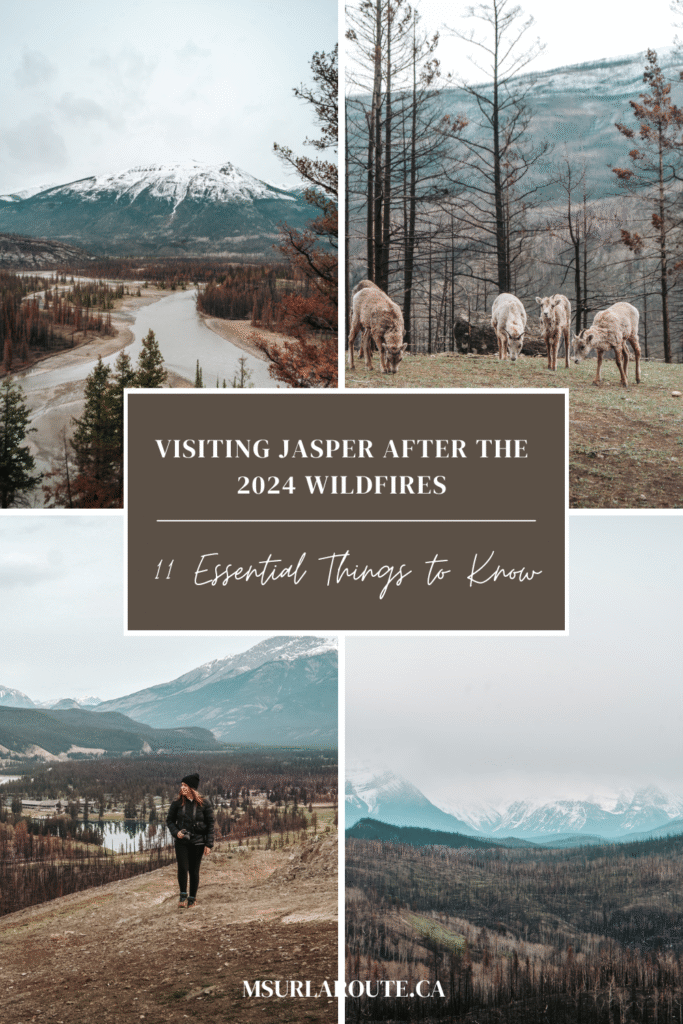
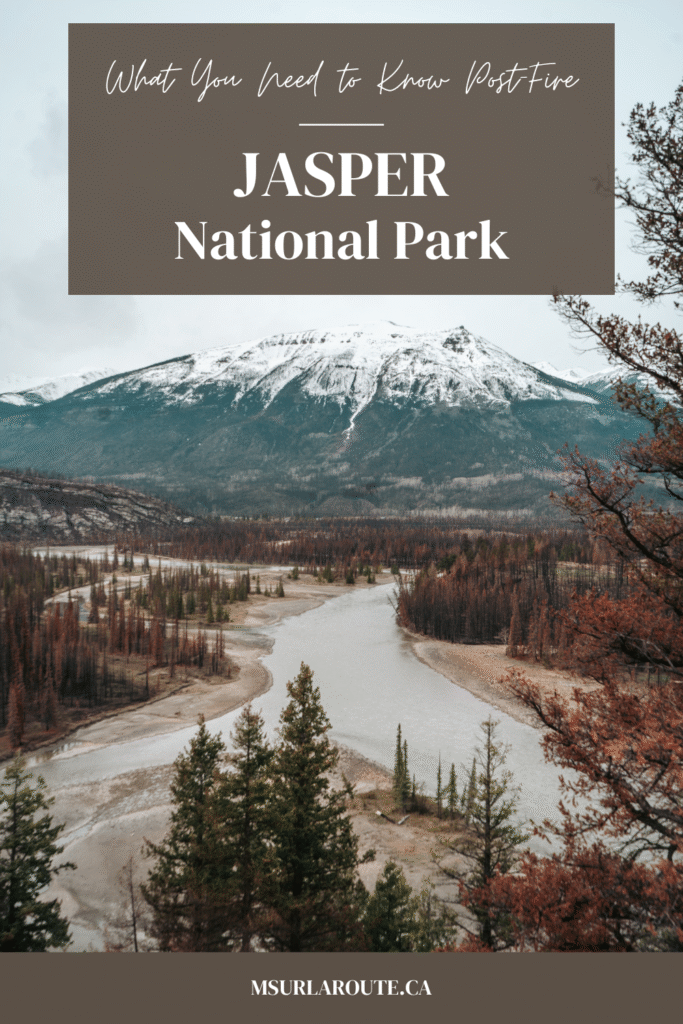
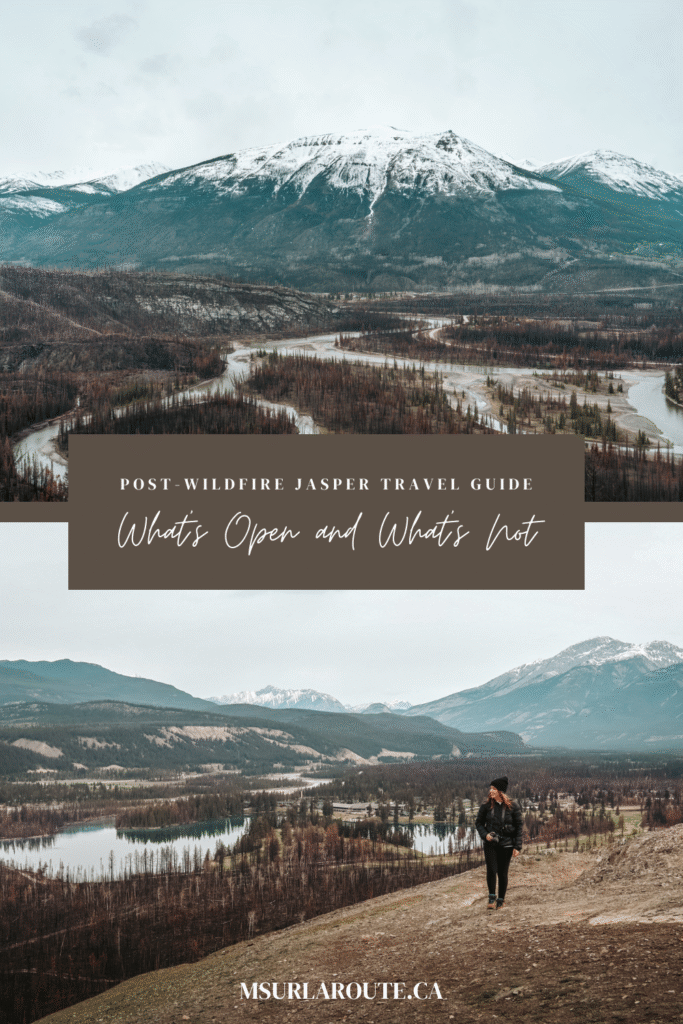
Follow me on Instagram!
I almost made a very different version of this reel.
Last time I posted about Smiths Falls, the comments surprised me and a lot of them seemed to come from people who actually live there. There’s nothing to do here. It’s boring. My first instinct was to make a whole clap-back video, screenshots and all.
But honestly? I get it. Nobody is a tourist in their own town. The canal is just the thing you cross on your way to work. The museum is where you went once on a school trip in grade four. When you see a place every single day, it goes invisible.
I grew up near the Bay of Fundy – home of the highest tides on the planet – and as a kid I thought it was the most boring place on earth. It took moving away to realize people cross oceans to see what was in my backyard.
So this reel is me being a tourist in your town for you. The 1912 bridge you’d paddle under if you hadn’t stopped noticing it. The museum where you can climb into the trains, and even sleep in one. The thrift trail. The mural. All of it.
To everyone who’s never been: this is your sign for an easy day trip from Ottawa or Kingston.
And to Smiths Falls locals: I dare you to do one thing from this list this weekend. Report back. 😌
What’s the thing in YOUR town that you’ve stopped noticing? I want to hear it.
🇫🇷 La version française est dans les commentaires.
#SmithsFalls #RideauCanal #OntarioDayTrip #ExploreOntario #smalltownontario


I have a confession: half my road trips are reverse-engineered.
I don’t pick a destination and find a coffee shop nearby. I pick the coffee shop, then build a whole day around justifying the drive. A hike here, a beach there, some antiquing, all very respectable cover stories for the fact that I drove two hours for an iced latte.
Because here’s what I’ve figured out after years of crisscrossing Ontario: the best coffee shops are never just coffee shops. They’re the unofficial welcome centre of every small town. The barista knows which trail is muddy this week. The regulars will tell you where to park for free. The bulletin board has better local intel than any travel blog, mine included.
So this list isn’t really about coffee. It’s about the 12 places I use as an excuse to keep exploring this province. Swipe through, every single one comes with what to pair it with so you can build your own cover story.
From Thunder Bay to the County, consider this your permission slip to drive unreasonably far for caffeine.
Which one’s closest to you? And more importantly, what’s YOUR coffee shop worth driving for? I’m always taking notes. ☕
🇫🇷 La version française est dans les commentaires.
#OntarioCoffeeShops #OntarioRoadTrip #DiscoverOntario #OntarioTravel #SmallTownOntario

For over a hundred years, the men who lived in this house woke up, looked at the lake, and went to work captaining the Wolfe Island ferry. Three generations of them. Same water, same crossing, every day.
I thought about that a lot during my stay at @themullinhouse_ (mainly from the bathtub, because the tub faces the lake and once you’re in it there’s no reason to be anywhere else.)
The Mullin House just opened as a stay, and those who brought it back to life did it in the best way that possible. Keeping the soul of the place.Places with an actual story make my job as a photographer easy. I just have to pay attention.
And if you want to stay here too: It’s a free 20-minute ferry from Kingston, 5 bedrooms, sleeps 10. So this is your sign to plan the group trip you keep talking about.
Save this for when you book it, and be honest, would you make it out of that bathtub by checkout?
Thank you to @themullinhouse_ for having me!
🇫🇷 La version française est dans les commentaires.
#wolfeisland #kingstonontario #thousandislands #exploreontario #ontariotravel

I grew up an hour from the Bay of Fundy. And every few years, my school would pile us onto a bus and take us to Hopewell Rocks or Fundy National Park. And every single time, as a kid, I thought : ‘okay, cool. Rocks. Trees. Can we go home now?’
I had absolutely no idea what I was standing next to.
It took me leaving New Brunswick, travelling across the country before I came back to the Bay of Fundy as an adult and genuinely had my breath taken away. I grew up next to one of the most extraordinary places on the planet and completely took it for granted. And I think a lot of Maritimers probably feel the same way.
This carousel is my attempt to fix that, for myself, and for anyone who’s never made the trip. Scroll through and I’ll show you exactly how I’d plan a road trip along the New Brunswick side, from the tidal flats to the coastal cliffs to the little fishing towns that feel completely frozen in time.
And if you have extra days to spare, Saint John is absolutely worth a stop, underrated city, great food scene, and it sits right on the bay.
I’m also heading back this summer to try a stay I’ve had my eye on for a while, I genuinely cannot wait to tell you all about it. 👀
Save this for your New Brunswick road trip. 🙌
👇 Have you ever been to the Bay of Fundy? Were you as underwhelmed as I was at 10 years old? 😄
🇫🇷 La version française est dans les commentaires.
#BayOfFundy #NewBrunswick #ExploreCanada #CanadaTravel #FundyNationalPark

I’ll be honest, when I pulled up to @whispering_springs I didn’t know what to expect. I’d seen the photos, I’d read the website, but nothing really prepares you for the moment you walk into your safari tent and realize this might actually be nicer than your apartment.
We’re talking a king bed, more space than I expected, and an actual bathtub, in a tent. I took a bath. In the woods. And I would do it again without hesitation.
Oh and the s’mores bar? Someone thought really hard about what would make people unreasonably happy at the end of a summer night and they nailed it.
Save this for your summer planning because at 90 minutes from Toronto there is really no reason to wait.
Now tell me have you ever gone glamping? If not, what are you waiting for!
🇫🇷 La version française est dans les commentaires.
#OntarioGetaway #GlampingOntario #OntarioTravel #WeekendGetawayOntario
ExploreOntario
