

From park fees to desert weather, here are 11 helpful things to know before your Southwest USA roadtrip, so you can travel smarter, not harder.
Planning a road trip through the American Southwest? You’re in for something unforgettable. From sculpted red rock canyons and wide-open desert roads to sacred Indigenous sites and quiet towns shaped by frontier faith, the Southwest isn’t just a beautiful region, it’s a deeply layered one.
This part of the U.S. is full of contrasts: blazing heat and snow-capped cliffs, ultra-popular parks and lonely backroads, epic natural wonders and communities with centuries of history. A little preparation will not only make your trip smoother, it’ll help you see and experience the land with more intention.
In this post, I’m sharing 11 helpful things to know before your Southwest USA road trip, tips I wish I had all in one place before my first time out here. Some are practical (like gas stops and packing essentials), others offer context for what you’ll see beyond the scenery. Together, they’ll help you travel smarter, deeper, and with more respect for the land you’re moving through.
Read More // Don’t forget to check out all my USA blog post to make the most of your roadtrip!
Let’s start planning your Southwest USA roadtrip!
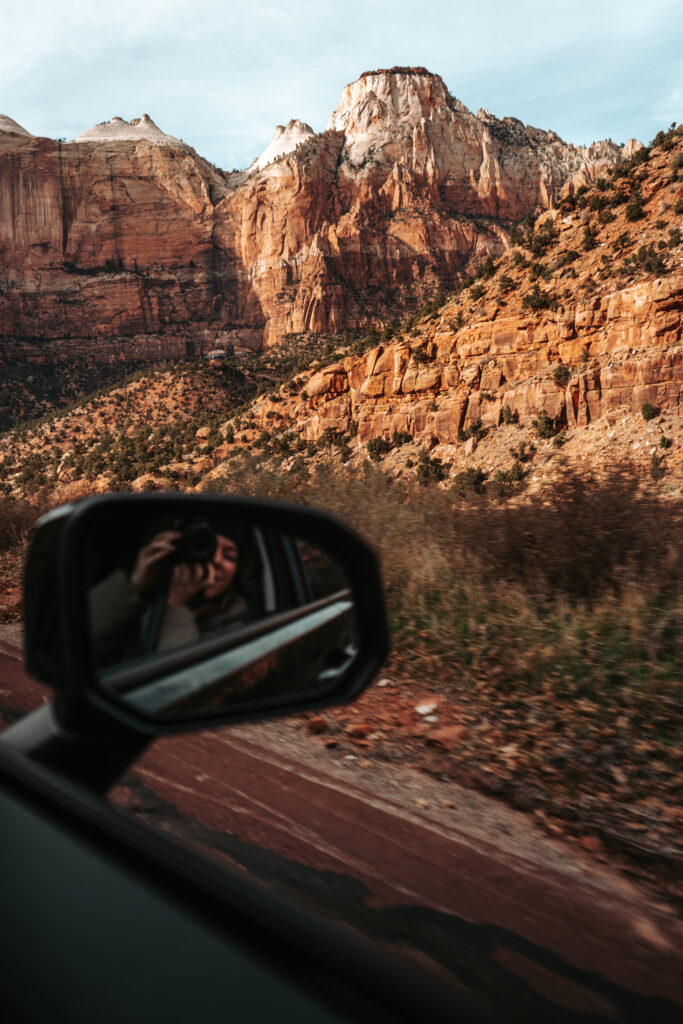
Here’s 11 things to know before your Southwest USA roadtrip
1. When is the Best Time to Visit?
Timing your Southwest USA road trip can make or break the experience, this is a region of extremes.
Spring (March to May) and fall (late September to early November) are hands-down the best times to go. You’ll get pleasant daytime temperatures, cool mornings and evenings, and fewer crowds than in peak summer. Spring also brings bursts of wildflowers in the desert and lush contrasts against the red rock, especially stunning in places like Zion, Valley of Fire, and Death Valley.
I’ve done this road trip in both July and December, and if I could offer one piece of advice: skip summer if you can. July was intense, not only is it peak tourist season, but the heat in places like Death Valley and Zion made mid-day exploring almost unbearable. Even basic hikes felt draining, and early starts became essential just to beat the heat.
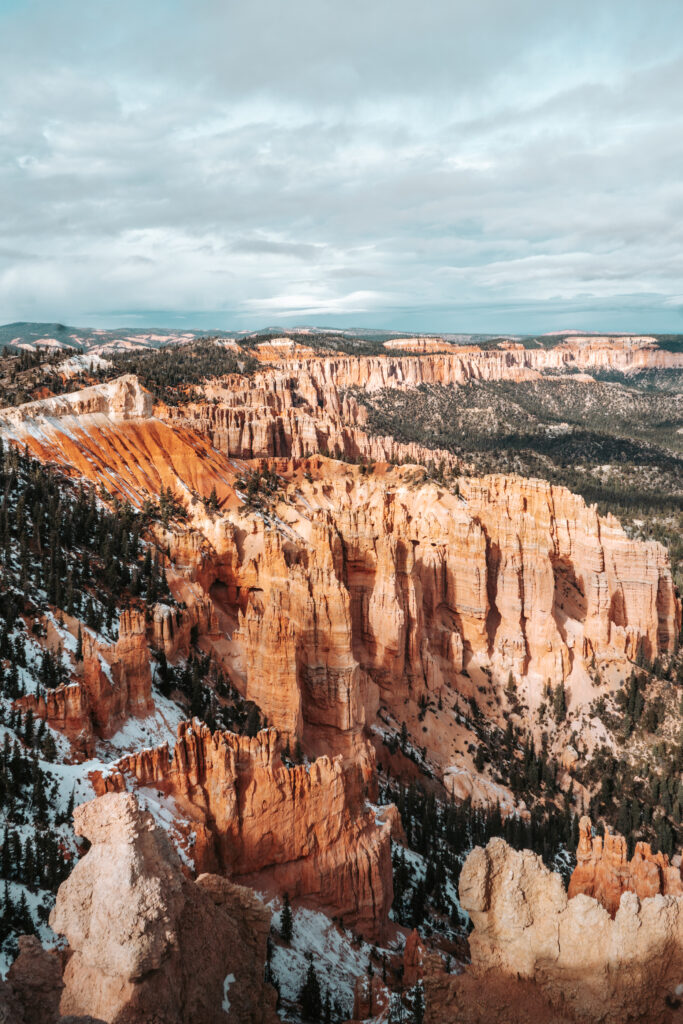
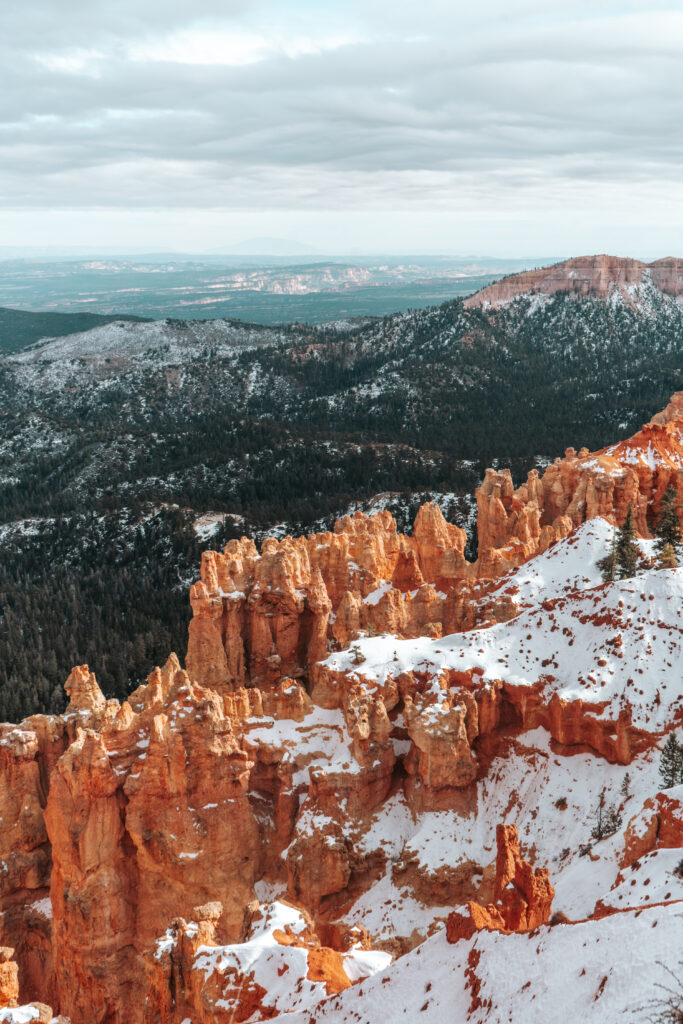
December, on the other hand, was a dream. The parks were quiet, the temperatures were mild and comfortable for hiking during the day, and sunrise/sunset lighting was stunning. While Bryce Canyon and the Grand Canyon can see snow in winter, the dusting of white against red rock made everything feel even more magical.
2. Remember That You’re Traveling Through Indigenous Lands
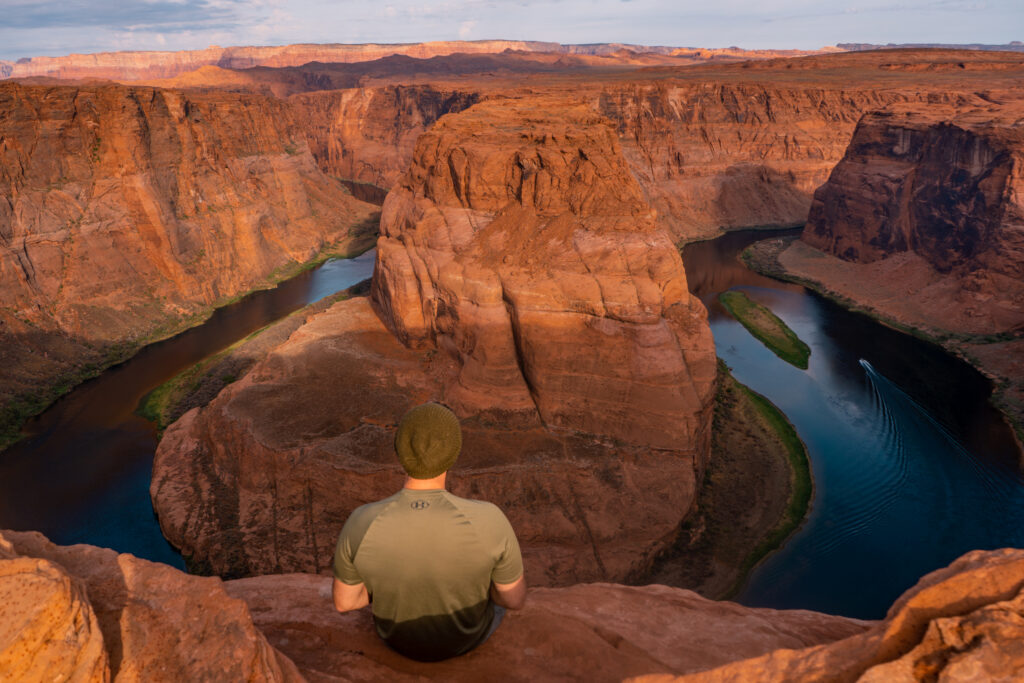
One of the most important things to know before your Southwest USA road trip: the land you’ll be exploring is more than just scenic—it’s sacred. Much of the Southwest, including areas around Antelope Canyon, Monument Valley, Horseshoe Bend, and Canyon de Chelly, lies within the boundaries of Navajo Nation or other Indigenous territories.
You’ll pass through lands that have been home to Native peoples for thousands of years, long before they became Instagram-famous or part of the U.S. National Park system.
What this means for travelers:
- Some sites (like Antelope Canyon) require guided tours led by Navajo guides, and for good reason, these are culturally significant places, and your visit helps support the local community.
- Respect signage and boundaries. Not every pull-off is open to visitors, and some areas are closed to non-Indigenous access.
- If you see stands selling handmade jewelry, pottery, or crafts along the roadside, stop and support. These small purchases directly benefit families and artisans living on the land.
Taking a few minutes to learn about the cultural context of where you’re traveling deepens the experience. This isn’t just a road trip through rock formations—it’s a journey across a living, layered landscape that tells a much bigger story.
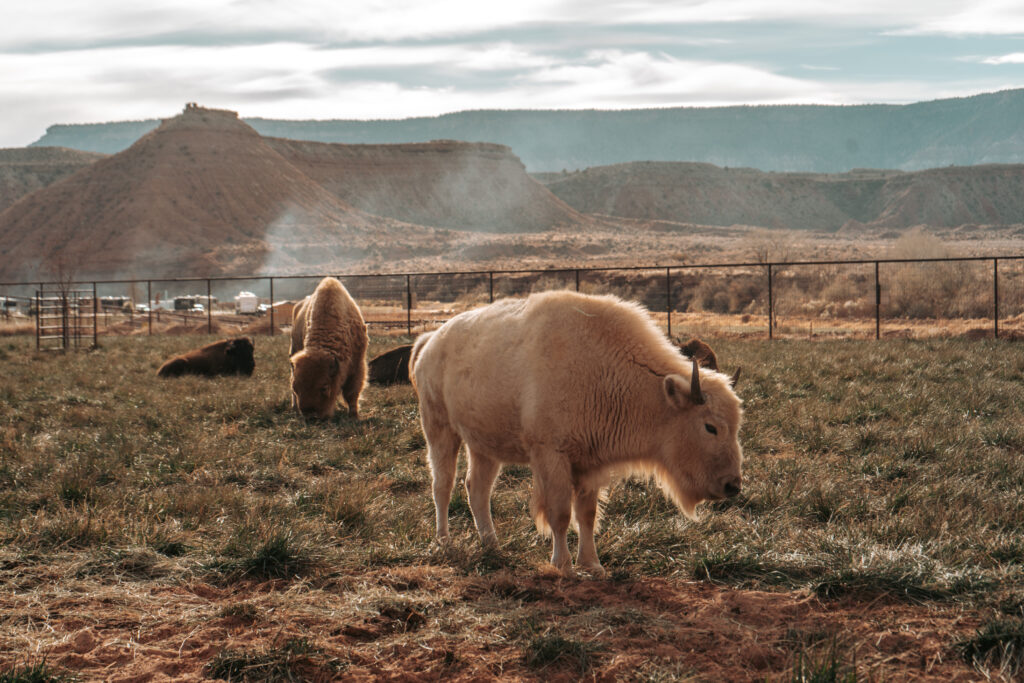
Read More // Learn about the importance of White Bison in indigenous cultures here.
3. You’ll Be Covering Big Distances Between Stops
One thing first-time Southwest road trippers often underestimate? How far apart everything is. Sure, the map makes it look like Bryce and Arches are right next door, but in reality, you could be driving 3 to 5 hours between major parks or towns. And in many stretches, you won’t pass a single gas station or grocery store.
A few things to know:
- Always check your route and drive time before starting the day, especially if you’re headed into remote areas like Monument Valley or parts of Death Valley.
- Gas stations can be sparse, and Google Maps doesn’t always reflect real travel time (especially in scenic areas where you’ll be pulling over constantly).
- Many national parks are surrounded by very small towns with limited services. You might need to stock up in bigger hubs like St. George, Page, or Moab before heading out.
Tip from experience: Some days, the drive is the adventure. Embrace the long stretches of road, keep snacks handy, and download a solid playlist or podcast. You’ll come to love those wide-open landscapes more than you think.
4. Gas Up More Often Than You Think
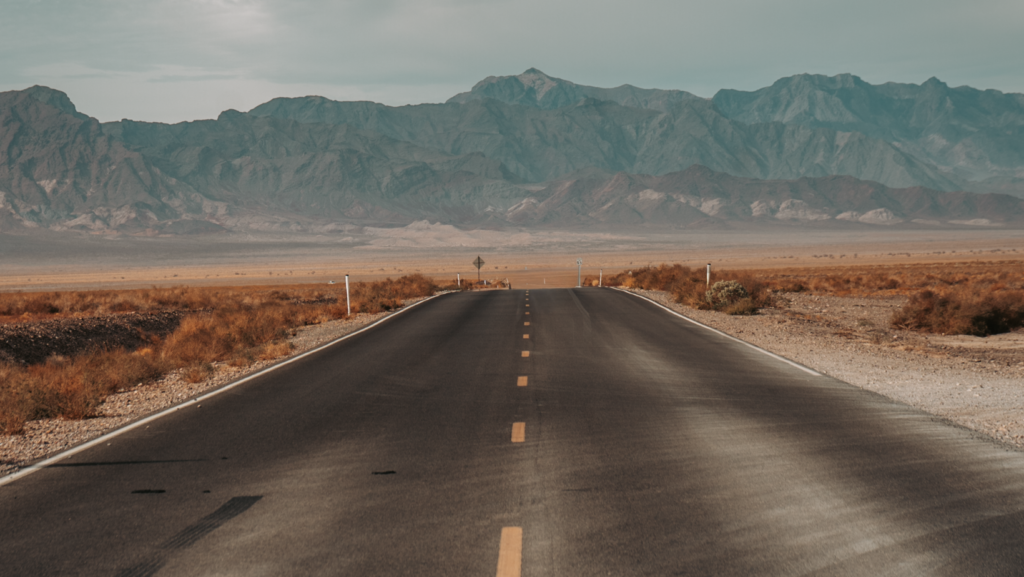
The American Southwest is made for road trips, but it’s also not the place to play fuel gauge roulette. Long stretches of highway without services are common, especially when you’re driving into places like Death Valley or between national parks.
A few rules I stick to:
- Never let your tank drop below half when you’re heading into a national park or scenic byway, you don’t know when you’ll hit the next station.
- Gas is way more expensive inside parks (like Furnace Creek in Death Valley), so it’s smart to fill up in towns like Saint George, or Page before entering.
- Some remote areas have gas stations with limited hours—or only one pump, so don’t rely on getting fuel late in the day.
A little planning goes a long way out here and running out of gas under that big desert sky is a story you definitely don’t want to tell.
5. The America the Beautiful Pass Saves Money (and Headaches)
If you’re planning to visit three or more national parks on your Southwest road trip, do yourself a favor and grab the America the Beautiful Pass. It costs $80 USD and gives you access to all U.S. national parks and federal lands for a full year—no extra entrance fees, no guesswork.
Here’s where it pays off fast:
- Zion National Park – $35
- Bryce Canyon – $35
- Grand Canyon – $35
- Arches – $30
- Death Valley – $30
That’s over $160 in park fees, just from this itinerary alone.
You can buy it in advance online from the U.S. National Park Service or at the entrance gate of most parks. Just display it on your dash and roll on through.
Good to know // The pass covers entry fees, but it doesn’t include extras like shuttle reservations (Zion), hiking permits (Angels Landing), or guided tours (Antelope Canyon).
It’s a simple add-on that saves money, supports the parks, and keeps your trip flowing without needing to pull out your wallet at every gate.
6. Pack for the Desert, But Prepare for Extremes
One of the biggest surprises for Southwest road trippers? Just how quickly the weather can change. You might start your day in a jacket and be sweating by lunch or wake up to snow at Bryce Canyon, then hike under a blazing sun at Zion later that same week.
Here’s what you’ll want to pack (and actually use):
- Light layers – a mix of moisture-wicking shirts, a fleece or hoodie, and a windbreaker
- Sun protection – wide-brim hat, sunglasses, SPF lip balm, and high-SPF sunscreen
- Hydration gear – reusable water bottles or a hydration pack (especially for hikes)
- Trail shoes or hiking boots – good grip matters more than bulk
- Headlamp or flashlight – essential for sunrise hikes or staying for sunset
- Snacks – especially for long drives or park days with no food services
- Optional but handy: a travel towel, battery pack, small first-aid kit, and offline maps
Good to know // I’ve had to switch from gloves to tank tops in the same 48 hours on this trip. Don’t overpack, but definitely don’t underprepare, desert weather doesn’t play around.
7. This Land Tells Geological Stories That Are Millions of Years Old
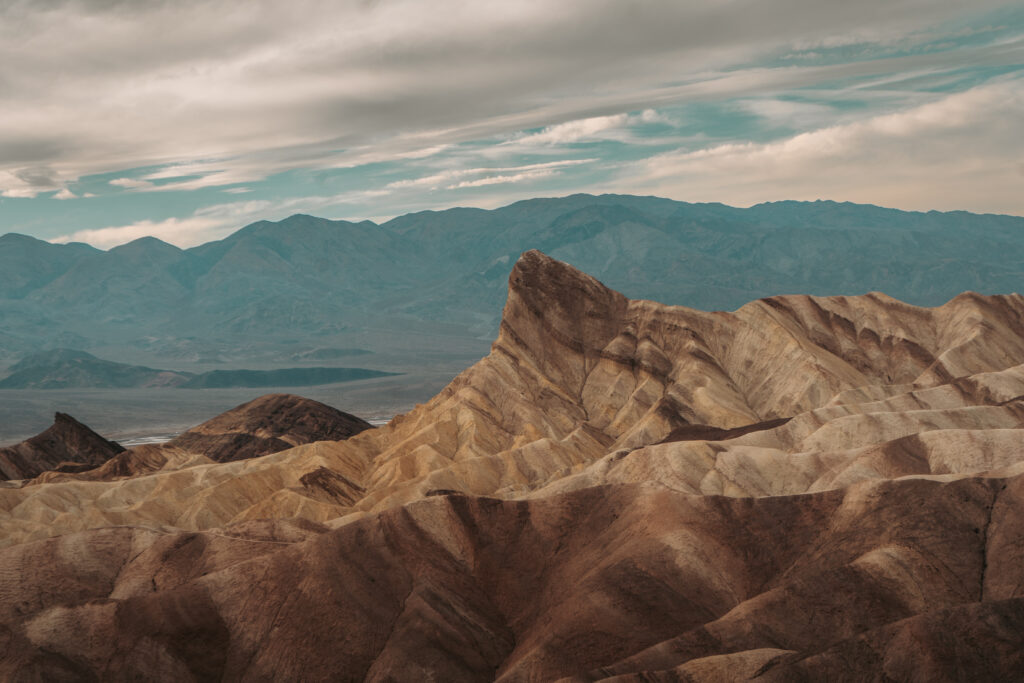
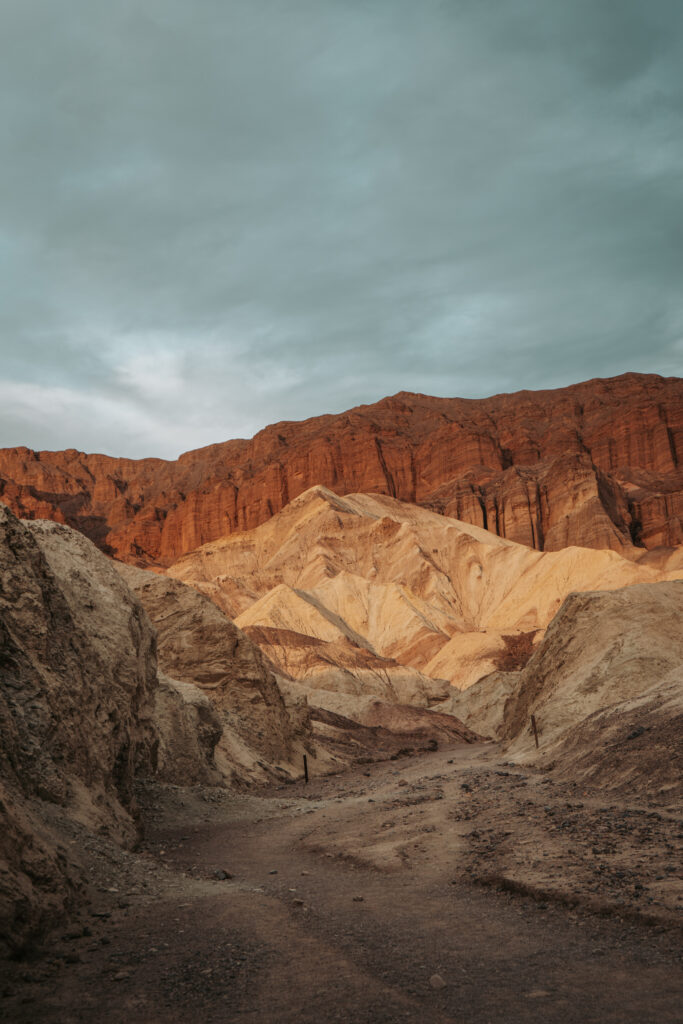
Driving through the Southwest feels like flipping through Earth’s history book, only the pages are made of sandstone, lava rock, and layers of time. Each park and canyon has a different story to tell, shaped by ancient oceans, volcanic activity, and erosion over millions of years.
A few examples you’ll actually see in this itinerary:
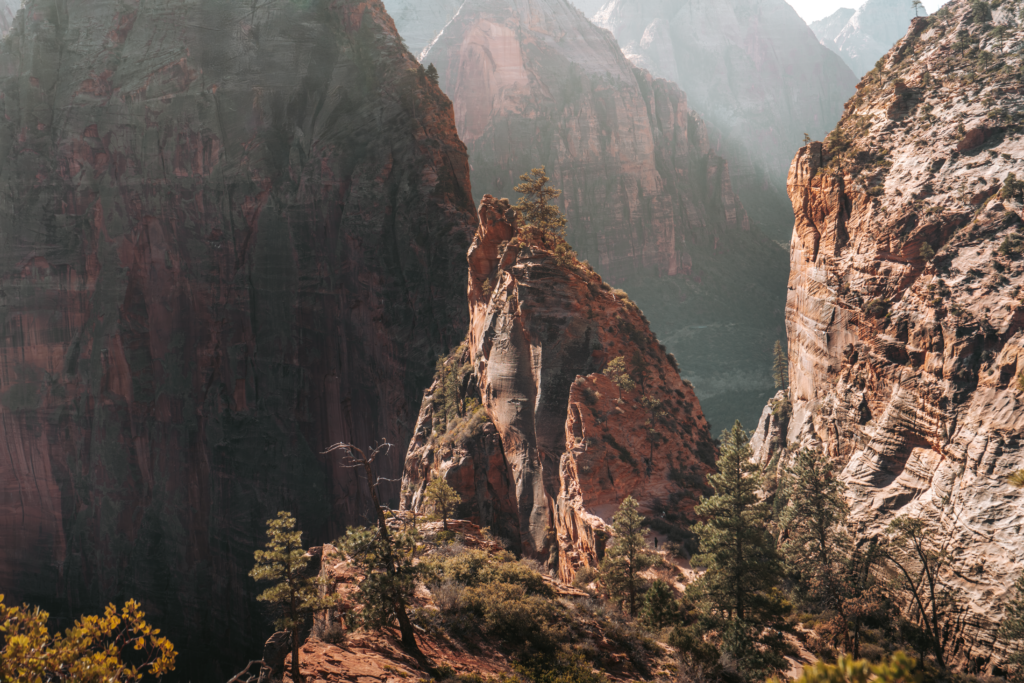
- Zion’s massive cliffs were once sand dunes, stacked and compressed into rock
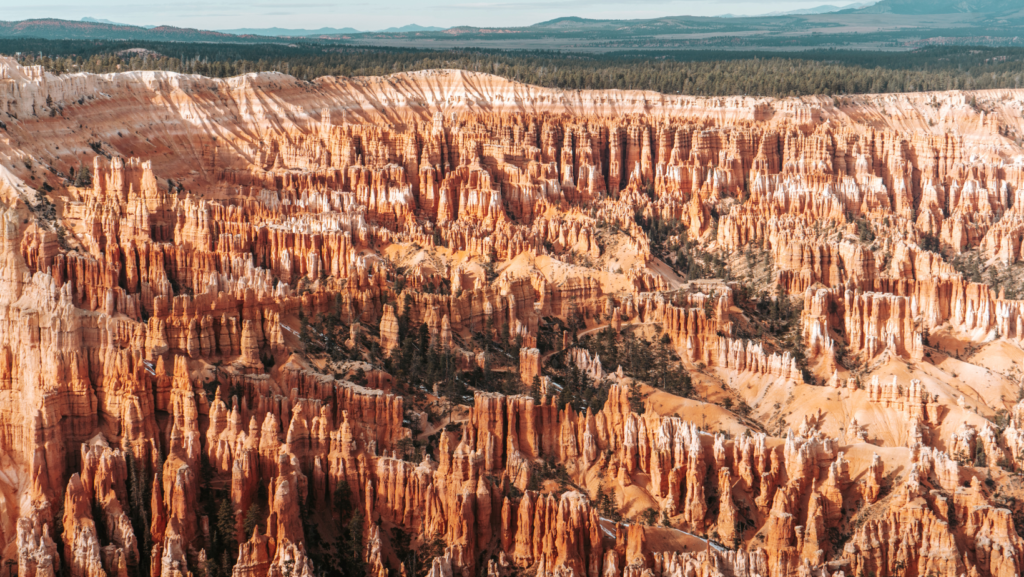
- Bryce Canyon’s hoodoos formed from frost-wedging and erosion over thousands of freeze/thaw cycles
- Death Valley was once underwater, and still holds fossilized evidence of marine life
- Arches is home to over 2,000 natural stone arches created by pressure, wind, and time
Most visitor centers have compact but fascinating exhibits on the geology of each park and honestly, they’re worth the stop. Even if you’re not a rock nerd, it’s hard not to feel something when you realize the cliff you’re staring at is older than human civilization.
8. Download Offline Maps — Cell Service is Sparse
Don’t count on staying connected out here. One of the most common mistakes on a Southwest road trip is assuming you’ll have signal just because you’re near a major park. In reality, cell service drops off quickly once you’re outside towns or deep into canyons and that includes places like Zion, Grand Canyon, and Death Valley.
Here’s how to stay ahead of it:
- Download offline Google Maps for the entire route before hitting the road
- Use apps like Maps.me or Gaia GPS for hikes and backroads, they don’t rely on cell service
- Screenshot reservation info, shuttle schedules, or hiking permits in case you can’t load them later
Travel tips // Save the addresses and coordinates of key places – trailheads, gas stations, lodging, and park entrances – so you’re not scrambling if the signal disappears.
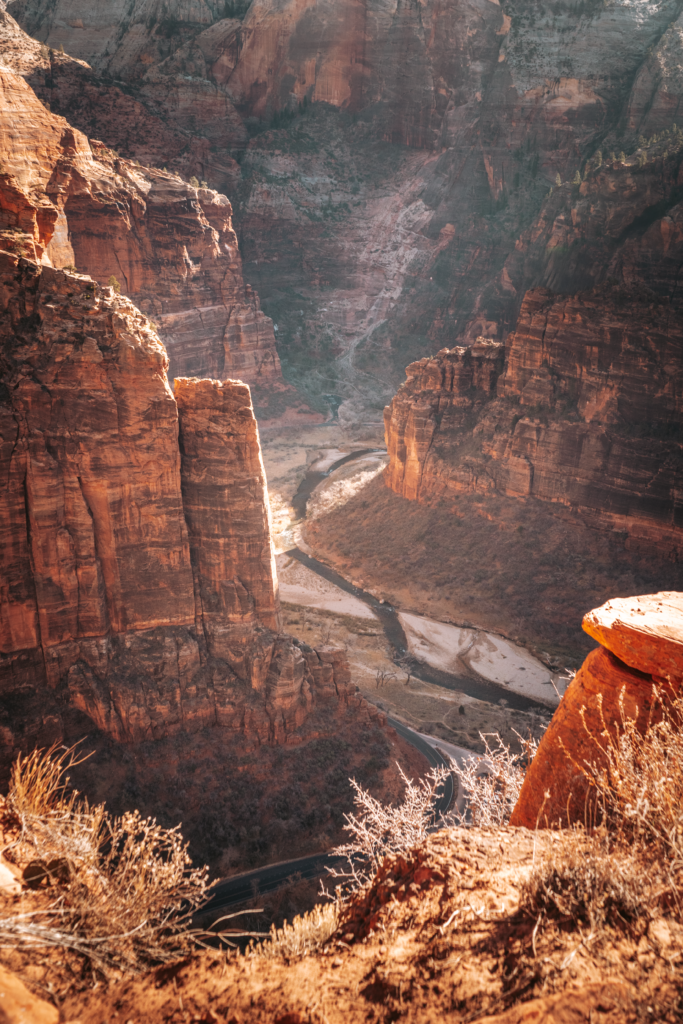
9. Utah Has a Unique Cultural Landscape
As you drive through southern Utah – especially near Zion, Bryce Canyon, and Arches – you’re moving through more than just national park country. This region is deeply shaped by the Church of Jesus Christ of Latter-day Saints (LDS), also known as the Mormon faith.
Why this matters on your trip:
- Many towns along your route—St. George, Kanab, Cedar City, and Moab—were established in the mid-1800s by Mormon settlers sent by Brigham Young to expand into “Utah Territory.”
- Their influence is still strong: you’ll see LDS churches in nearly every community, and historic tabernacles or pioneer homes often double as local landmarks.
- Sundays may be quieter, some restaurants and businesses close or have limited hours, especially in smaller towns
- Utah also has unique alcohol laws, expect more limited bar options, especially outside major tourist hubs
Curious traveller tip// If you enjoy local history, stop by a small-town museum or read the plaques in city centers. The early pioneer stories are fascinating and add context to how these remote towns were built in such rugged terrain.
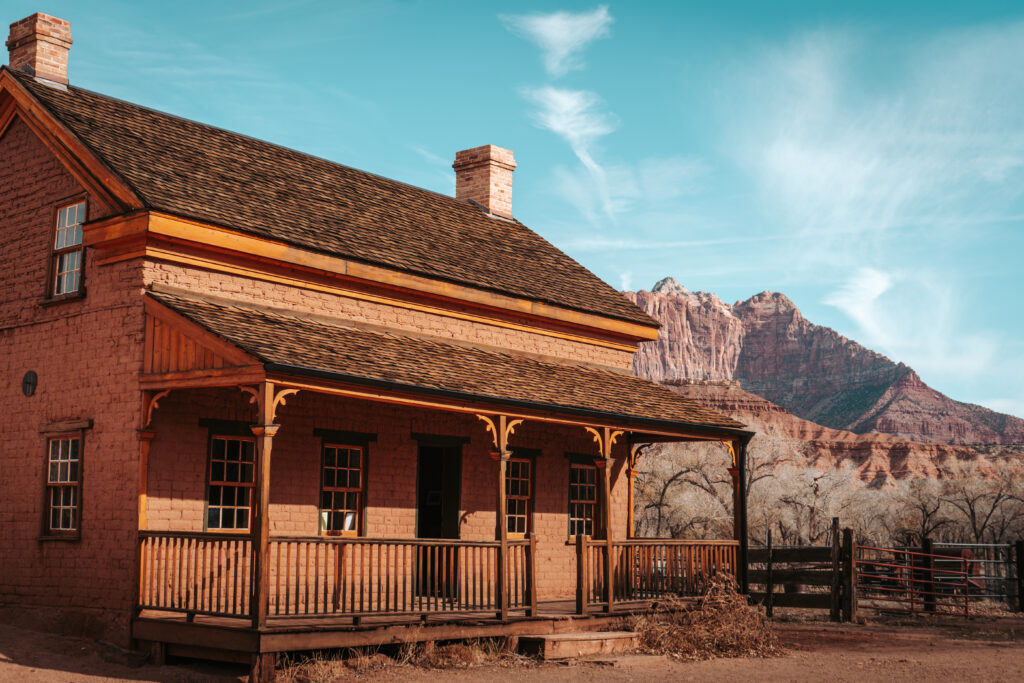
Read More // Visit Grafton Ghost Town and learn about the Mormon way of life in the second half of the 19th century.
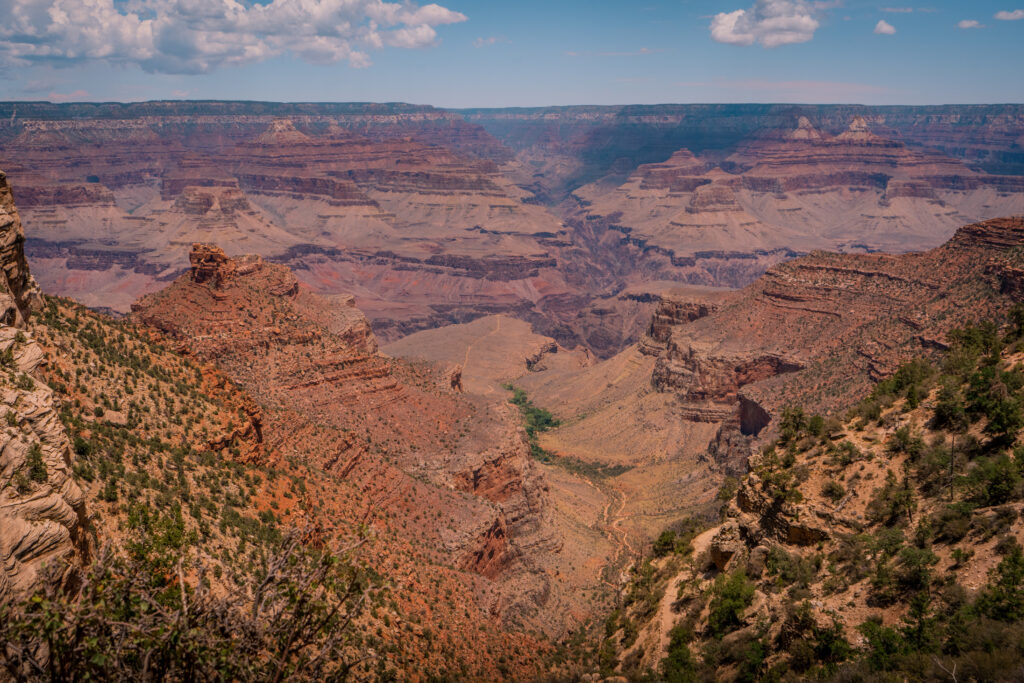
10. Expect Park Shuttles, Reservations, and Permit Systems
Some of the most iconic parks in the Southwest come with a few extra logistics and it’s so much better to know about them before you show up at the gate.
Shuttles:
- Zion National Park operates a mandatory shuttle system from March through late November in Zion Canyon. You’ll need to park in Springdale or at the visitor center and use the shuttle to access trailheads like Angels Landing and The Narrows.
- Grand Canyon South Rim also runs a free shuttle system, which is super helpful for seeing multiple viewpoints without moving your car every time.
Permits & Reservations:
- Angels Landing now requires a permit via an online lottery system, even if you’re just doing the chained section
- Arches National Park uses a timed entry reservation system between April and October—book your entry slot online ahead of time
- Antelope Canyon is on Navajo land and can only be visited via a guided tour, which often sells out weeks in advance
- Some campgrounds, scenic roads, or backcountry hikes in national parks may also require reservations
Travel tips // Always check the official park websites a few weeks before your trip to stay up to date, these rules can shift seasonally or with weather-related changes.
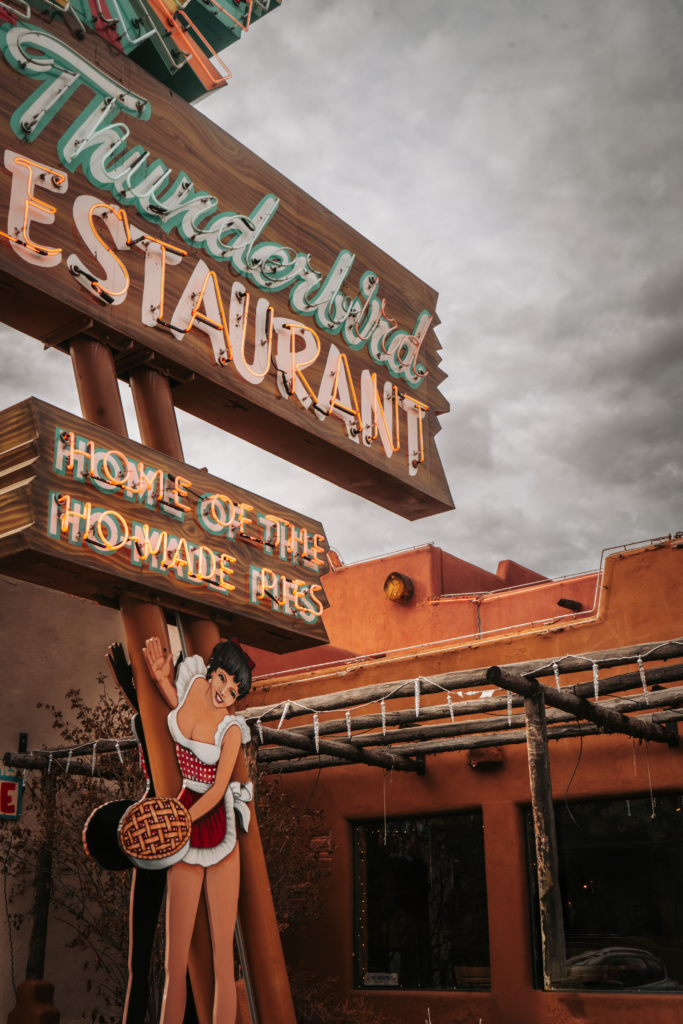
11. Don’t Skip the Local Food — It’s Part of the Experience
The landscapes may be the star of your Southwest road trip, but the food? It’s seriously underrated. You’ll find everything from Indigenous and Mexican-inspired flavors to old-school diners, roadside pie stands, and hidden gems that totally hit the spot after a long hike.
Things to look out for along the way:
- Navajo tacos (also called Indian tacos): fry bread piled high with chili, lettuce, and cheese, especially popular near Page and Monument Valley
- Green chile everything in Arizona and New Mexico, from breakfast burritos to cheeseburgers
- Southwestern-style Mexican food with smoky, spicy flavors (don’t skip the enchiladas or carne adovada)
- Classic American diners in places like Kanab, Panguitch, and Route 66 towns
- Local coffee shops in Moab, Springdale, and Sedona, perfect for slow mornings or journaling with a view
- Prickly pear lemonade, honey-lavender ice cream, or anything with mesquite in it—trust me
Travel tips // Skip the chains when you can and ask locals where they go. Some of the best meals I’ve had on Southwest trips were in small, family-run spots I would’ve never found on Google.
Bonus Resources for Planning Your Southwest USA Roadtrip
Need more help piecing together your perfect route or figuring out what to see in each park? Here are some detailed guides you might find helpful as you plan:
- 2-Week Southwest USA Road Trip Itinerary — A day-by-day route covering Death Valley, Zion, Bryce, Horseshoe Bend, Grand Canyon, Sedona, and more
- Your Ultimate Zion National Park Guide for Beginners — Best hikes, shuttle info, where to stay, and photography tips
- Bryce Canyon National Park Guide: Top Things to See and Do — Viewpoints, hikes, and what to expect with elevation
- Top Things to Do in Death Valley National Park — Sunrise spots, hidden gems, and how to explore safely
- The Best 8 Things to Do in Valley of Fire State Park — Short hikes, photo ops, and where to stop on a quick visitT
Travel tips // You can also save these guides to Pinterest so you can pull them up on the road, even when you’re offline!
Final Thoughts : Are you ready for your Southwest USA roadtrip?
A Southwest USA road trip is one of those adventures that stays with you, long after the red dust has settled in your hiking boots. It’s the kind of trip that takes you from otherworldly landscapes to quiet, star-filled skies… and challenges you to slow down, take it all in, and enjoy the ride.
Hopefully, these 11 tips help you feel more prepared, less stressed, and way more excited for what’s ahead. From practical planning to unexpected roadside finds, the magic is in the mix and the more you know before you go, the smoother (and more memorable) your journey will be.
If you found this post helpful, feel free to share it, bookmark it for later, or leave a comment with your own tips! And if you’re still building your itinerary, don’t miss my full 2-week road trip guide linked above.
Now… go chase those desert sunrises
Looking for more USA travel ideas? Check out my other blog posts for itineraries, hiking trails, and hidden gems to make the most of your Southwest USA roadtrip!
PIN THIS FOR LATER
Follow me on Instagram!
I almost made a very different version of this reel.
Last time I posted about Smiths Falls, the comments surprised me and a lot of them seemed to come from people who actually live there. There’s nothing to do here. It’s boring. My first instinct was to make a whole clap-back video, screenshots and all.
But honestly? I get it. Nobody is a tourist in their own town. The canal is just the thing you cross on your way to work. The museum is where you went once on a school trip in grade four. When you see a place every single day, it goes invisible.
I grew up near the Bay of Fundy – home of the highest tides on the planet – and as a kid I thought it was the most boring place on earth. It took moving away to realize people cross oceans to see what was in my backyard.
So this reel is me being a tourist in your town for you. The 1912 bridge you’d paddle under if you hadn’t stopped noticing it. The museum where you can climb into the trains, and even sleep in one. The thrift trail. The mural. All of it.
To everyone who’s never been: this is your sign for an easy day trip from Ottawa or Kingston.
And to Smiths Falls locals: I dare you to do one thing from this list this weekend. Report back. 😌
What’s the thing in YOUR town that you’ve stopped noticing? I want to hear it.
🇫🇷 La version française est dans les commentaires.
#SmithsFalls #RideauCanal #OntarioDayTrip #ExploreOntario #smalltownontario


I have a confession: half my road trips are reverse-engineered.
I don’t pick a destination and find a coffee shop nearby. I pick the coffee shop, then build a whole day around justifying the drive. A hike here, a beach there, some antiquing, all very respectable cover stories for the fact that I drove two hours for an iced latte.
Because here’s what I’ve figured out after years of crisscrossing Ontario: the best coffee shops are never just coffee shops. They’re the unofficial welcome centre of every small town. The barista knows which trail is muddy this week. The regulars will tell you where to park for free. The bulletin board has better local intel than any travel blog, mine included.
So this list isn’t really about coffee. It’s about the 12 places I use as an excuse to keep exploring this province. Swipe through, every single one comes with what to pair it with so you can build your own cover story.
From Thunder Bay to the County, consider this your permission slip to drive unreasonably far for caffeine.
Which one’s closest to you? And more importantly, what’s YOUR coffee shop worth driving for? I’m always taking notes. ☕
🇫🇷 La version française est dans les commentaires.
#OntarioCoffeeShops #OntarioRoadTrip #DiscoverOntario #OntarioTravel #SmallTownOntario

For over a hundred years, the men who lived in this house woke up, looked at the lake, and went to work captaining the Wolfe Island ferry. Three generations of them. Same water, same crossing, every day.
I thought about that a lot during my stay at @themullinhouse_ (mainly from the bathtub, because the tub faces the lake and once you’re in it there’s no reason to be anywhere else.)
The Mullin House just opened as a stay, and those who brought it back to life did it in the best way that possible. Keeping the soul of the place.Places with an actual story make my job as a photographer easy. I just have to pay attention.
And if you want to stay here too: It’s a free 20-minute ferry from Kingston, 5 bedrooms, sleeps 10. So this is your sign to plan the group trip you keep talking about.
Save this for when you book it, and be honest, would you make it out of that bathtub by checkout?
Thank you to @themullinhouse_ for having me!
🇫🇷 La version française est dans les commentaires.
#wolfeisland #kingstonontario #thousandislands #exploreontario #ontariotravel

I grew up an hour from the Bay of Fundy. And every few years, my school would pile us onto a bus and take us to Hopewell Rocks or Fundy National Park. And every single time, as a kid, I thought : ‘okay, cool. Rocks. Trees. Can we go home now?’
I had absolutely no idea what I was standing next to.
It took me leaving New Brunswick, travelling across the country before I came back to the Bay of Fundy as an adult and genuinely had my breath taken away. I grew up next to one of the most extraordinary places on the planet and completely took it for granted. And I think a lot of Maritimers probably feel the same way.
This carousel is my attempt to fix that, for myself, and for anyone who’s never made the trip. Scroll through and I’ll show you exactly how I’d plan a road trip along the New Brunswick side, from the tidal flats to the coastal cliffs to the little fishing towns that feel completely frozen in time.
And if you have extra days to spare, Saint John is absolutely worth a stop, underrated city, great food scene, and it sits right on the bay.
I’m also heading back this summer to try a stay I’ve had my eye on for a while, I genuinely cannot wait to tell you all about it. 👀
Save this for your New Brunswick road trip. 🙌
👇 Have you ever been to the Bay of Fundy? Were you as underwhelmed as I was at 10 years old? 😄
🇫🇷 La version française est dans les commentaires.
#BayOfFundy #NewBrunswick #ExploreCanada #CanadaTravel #FundyNationalPark

I’ll be honest, when I pulled up to @whispering_springs I didn’t know what to expect. I’d seen the photos, I’d read the website, but nothing really prepares you for the moment you walk into your safari tent and realize this might actually be nicer than your apartment.
We’re talking a king bed, more space than I expected, and an actual bathtub, in a tent. I took a bath. In the woods. And I would do it again without hesitation.
Oh and the s’mores bar? Someone thought really hard about what would make people unreasonably happy at the end of a summer night and they nailed it.
Save this for your summer planning because at 90 minutes from Toronto there is really no reason to wait.
Now tell me have you ever gone glamping? If not, what are you waiting for!
🇫🇷 La version française est dans les commentaires.
#OntarioGetaway #GlampingOntario #OntarioTravel #WeekendGetawayOntario
ExploreOntario
